Thinking about listing your Eagle Rock home but not sure where to invest before hitting the market? You are not alone. Many sellers want strong offers without taking on a full remodel. The good news: in Eagle Rock, focused, design‑savvy updates often outperform big, costly projects. In this guide, you will learn the highest‑impact pre‑list renovations, practical budgets, smart sequencing, and what local buyers respond to so you can sell with confidence. Let’s dive in.
Why Eagle Rock buyers pay for thoughtful updates
Eagle Rock is known for its Craftsman bungalows, Spanish Revival cottages, mid‑century gems, and small modern infill. Buyers here value preserved character and modern convenience. When you highlight original details while improving function, light, and flow, you meet core expectations.
Location matters too. Proximity to Occidental College, local shops and restaurants, and access to Pasadena and DTLA drives demand for move‑in‑ready homes with usable outdoor space. You win when your home feels bright, functional, and easy to enjoy on day one.
Market preferences do evolve, so it is smart to review current comps and demand signals before you finalize your plan. A quick check with a local expert can confirm whether buyers are paying premiums for fully turnkey homes at the moment or if lighter updates are getting the job done.
High‑impact updates that deliver ROI
Paint and trim
Fresh paint is the best value per dollar. Neutral, warm whites and creams, soft warm grays, or historically sympathetic earth tones flatter Craftsman and Spanish styles. Choose finishes that highlight millwork and built‑ins rather than hide them. Paint does not require permits.
Focus on a whole‑house interior refresh or target the living room, kitchen, and main bedroom. Exterior touch‑ups and a crisp front door color are essential for curb appeal.
Lighting and electrical
Updating fixtures and improving light levels makes rooms feel larger and more inviting. Replace dated fixtures and overhead fluorescents with simple, contemporary pieces that suit your home’s era. Prioritize the entry, living room, kitchen task lighting, bathrooms, and exterior/security lighting.
Swapping fixtures is typically cosmetic. Rewiring or adding new circuits should be done by a licensed electrician and may require permits.
Kitchen: targeted, budget‑smart upgrades
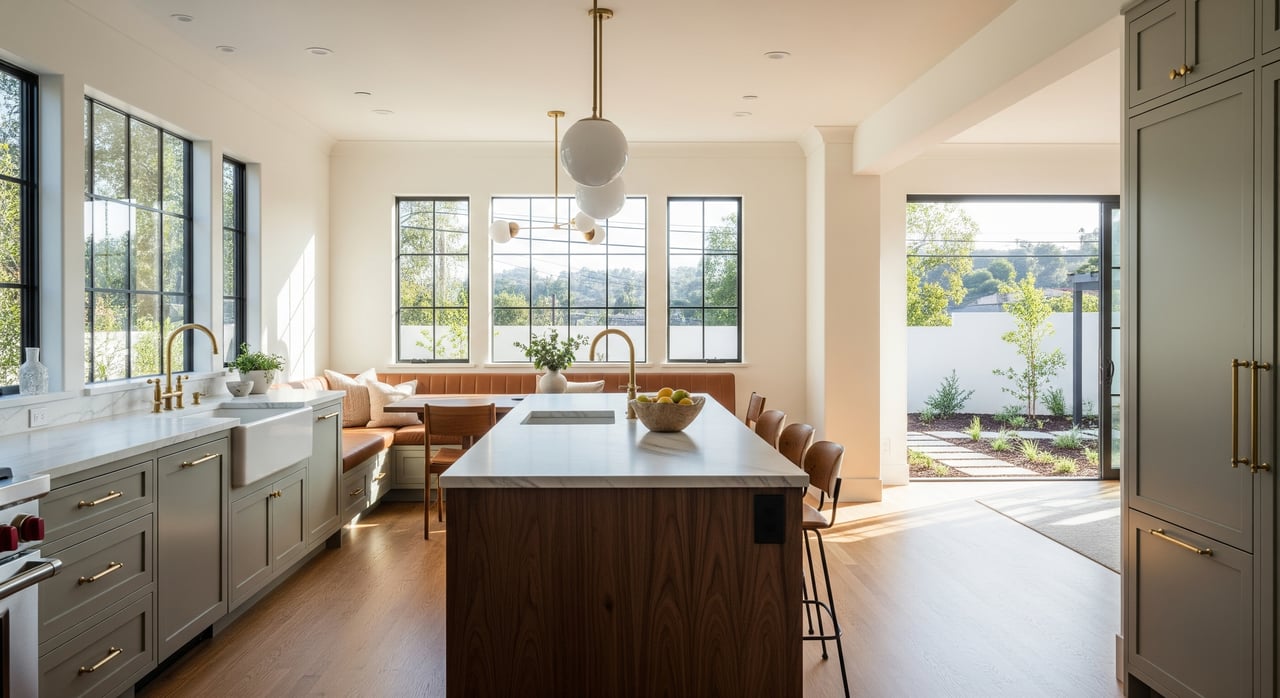
Buyers expect a clean, functional kitchen, not necessarily a brand‑new one. Small changes can deliver an outsized return. Consider painting or refacing cabinets, swapping hardware, installing quartz or solid‑surface counters, updating the sink and faucet, refreshing the backsplash, and dialing in lighting. Repair or replace only the appliances that need attention.
Most cosmetic work does not require permits. Gas line moves or structural changes do. A full remodel may be worth it only if local comps clearly show a strong premium that covers the investment.
Bathroom: minor to midrange refresh
Clean, modern bathrooms build buyer confidence. Replace the vanity top and faucet, reglaze a tub, refresh grout and caulk, swap the mirror and lighting, or add a new shower door. If the toilet is dated, a new, efficient model helps.
Cosmetic changes typically do not require permits. Plumbing work may, so plan accordingly and work with licensed pros.
Curb appeal and landscaping
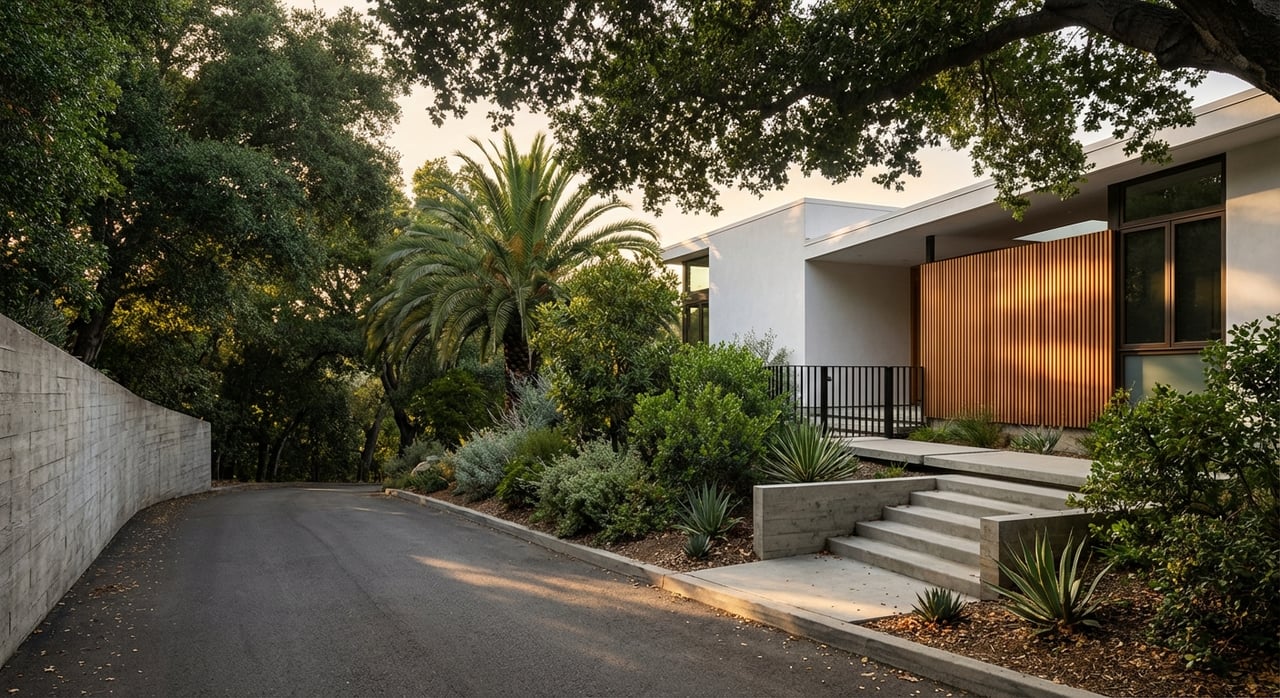
First impressions set the tone before buyers even step inside. Tidy the front yard, remove dead plants, prune overgrowth, add mulch, and consider drought‑tolerant planting. Power wash paths and the façade, repaint the front door, and update house numbers and the porch light.
Southern California buyers appreciate water‑wise choices, and local programs may offer rebates for low‑water landscaping and efficient irrigation. Plant work usually does not require permits, but tall hardscapes or retaining walls might.
Flooring and carpentry
Worn or mismatched floors can drag down your price. In older homes, refinishing original hardwood usually outperforms replacement. If carpet is tired, deep clean it or replace with a neutral laminate, vinyl plank, or engineered product. Address squeaks and thresholds to improve the feel underfoot.
Typical flooring work does not require permits.
Systems and energy
Buyers like the peace of mind that comes with reliable systems. Servicing your HVAC, replacing an old water heater, adding a smart thermostat, installing LED bulbs, and improving attic insulation are cost‑effective moves. Solar can be appealing in Los Angeles, but disclose whether a system is owned or leased, as that affects buyer perception and financing.
ROI varies for larger system upgrades, so consider them if your equipment is at the end of its life or if inspection findings point to issues.
Staging and presentation
Professional staging often shortens days on market and can increase perceived value. A neutral, edited look helps buyers see the space, not your personal items. Use staging to define rooms with quirky layouts or smaller bedrooms. If budget is tight, consider partial staging focused on the main living areas and the primary bedroom.
Budget ranges you can plan for
Every property is different, but these local ballpark ranges help with planning. Always validate with local bids.
- Interior painting (3‑bed home): about $3,000 to $10,000; single room $300 to $1,200.
- Exterior painting (small house): about $5,000 to $15,000.
- Light fixture swaps (whole home): about $500 to $4,000 depending on scope.
- Minor kitchen refresh: about $8,000 to $25,000.
- Midrange kitchen update (refacing, appliances, counters): about $20,000 to $60,000.
- Minor bathroom refresh: about $4,000 to $15,000.
- Landscaping/curb appeal cleanup: about $1,500 to $10,000.
- Flooring (refinish hardwood): about $3,000 to $10,000; new midrange luxury vinyl plank for a whole house: about $5,000 to $20,000.
- Staging: about $1,200 to $6,000+ depending on rental period and scope.
- List‑ready prep bundle (minor repairs, paint touch‑ups, cleaning, landscaping): about $2,000 to $12,000.
Historically, low‑cost cosmetic projects like paint, landscaping, lighting upgrades, decluttering, and staging deliver strong perceived value and help improve price per square foot. Kitchen and bath projects can pay off, but neutral, modest updates generally perform better for resale than high‑end, personalized choices.
Sequence your prep in 2 to 8 weeks
A well‑planned sequence saves time and protects your budget. Here is a streamlined workflow:
- Agent or inspector walkthrough (day 0)
- Consider a pre‑list inspection to surface issues buyers will notice.
- Immediate fixes and safety (week 1)
- Address obvious defects like roof leaks, broken windows, or nonfunctional systems.
- Declutter, deep clean, minor repairs (week 1)
- Remove personal items, tighten hardware, and repair sticky doors.
- Paint and flooring (weeks 2 to 3)
- Paint before staging. Refinish or replace floors before any furniture goes in.
- Kitchen, bath, and lighting (weeks 2 to 4)
- Install counters and fixtures, then update lighting to showcase finishes.
- Landscaping and exterior (weeks 2 to 4, in parallel)
- Final yard tidy, power washing, plantings, and front door refresh near the end.
- Staging, photography, and listing (weeks 4 to 6)
- Stage only after work is complete, then schedule professional photos and opens.
Avoid listing while work is in progress. Buyers respond best to homes that are fully finished and move‑in ready on day one.
Permits and local incentives
Cosmetic updates such as paint, cabinet refinishing, fixture swaps, and basic landscaping usually do not require permits in Los Angeles. Structural work, major electrical, plumbing, gas, solar, HVAC replacement, pool work, and significant hardscape often do. Hire licensed contractors for permit‑required work and keep inspection records. Proper permits and finals can increase buyer confidence and reduce renegotiation risk.
Water‑wise landscaping and energy‑efficient upgrades may qualify for local utility or municipal rebates. Check current programs as you plan. These incentives can help offset costs while aligning your home with buyer preferences in Southern California.
How to prioritize with a limited budget
If you cannot do everything, focus where Eagle Rock buyers notice the most:
- Repairs and safety first.
- Fresh paint, improved lighting, and decluttering.
- Curb appeal and low‑water landscaping.
- Targeted kitchen and bath refreshes if budget allows.
This order protects against inspection surprises and ensures the biggest visual wins happen early.
Quick Eagle Rock walkthrough checklist
Use this simple list during your first walk with your agent:
- Are there maintenance or safety issues to address now?
- Do paint and trim highlight, not hide, architectural details?
- Are floors presentable, and can originals be refinished instead of replaced?
- Does the front yard invite buyers in from the street?
- Is the kitchen clean and functional, and would cabinet refinishing plus new counters solve most of the look?
- Is the main bath clean and modern enough for buyer expectations?
- Will any planned work require permits and documentation?
- What is your target list date, and how much disruption is acceptable?
When a full remodel makes sense
A full kitchen or bath remodel before listing is not the default path in Eagle Rock. It may pencil out if you have clear comps showing a premium for fully renovated spaces at your target price point and your timeline allows for permitting and construction. Otherwise, a well‑executed, neutral refresh usually offers a better near‑term return and reduces risk during the sale.
Sourcing pros and materials locally
For paint, consider regional suppliers with historic palettes that suit Craftsman and Spanish homes. For lighting and hardware, midrange fixture lines and specialty retailers offer period‑appropriate styles with broad buyer appeal. Cabinet refacing and quartz fabrication are widely available in the LA area. For flooring, local hardwood specialists and tile showrooms can match or complement original materials.
When hiring, get three written bids, confirm active licensing and insurance, and check references. For repairs to period features like millwork or original windows, look for contractors experienced with historic homes. For staging and photography, choose teams familiar with LA buyer tastes and scale the service to your budget.
Ready to sell with design integrity
Your home does not need a top‑to‑bottom remodel to stand out in Eagle Rock. With a curated plan that preserves character, elevates function, and showcases light and outdoor living, you can attract stronger offers and a cleaner escrow. If you want a second set of eyes on scope, budgets, and comps, connect with a local advisor who understands both design and the market. To talk strategy or request a tailored pre‑list plan, reach out to Joseph Kiralla.
FAQs
What pre‑list updates pay off most in Eagle Rock?
- Fresh interior and exterior paint, improved lighting, decluttering and staging, and curb appeal upgrades typically deliver the strongest perceived value for modest budgets.
Do I need permits for pre‑list projects in Los Angeles?
- Cosmetic updates usually do not require permits, but structural, major electrical, plumbing, gas, solar, HVAC replacement, and significant hardscape often do, so hire licensed pros and retain final inspection records.
How much should I budget for a minor kitchen refresh before listing?
- In the Los Angeles area, a modest kitchen refresh often ranges from about $8,000 to $25,000 depending on scope, finishes, and whether you reface or repaint cabinets.
Does staging really help homes sell faster in Eagle Rock?
- Professional staging often shortens days on market and can increase perceived value by highlighting space, circulation, and how to use smaller or quirky rooms common in older homes.
Should I refinish original hardwood or replace flooring before selling?
- In older Eagle Rock homes, refinishing original hardwood tends to outperform replacement, while worn carpet can be deep cleaned or swapped for a neutral plank product if needed.
When is a full kitchen remodel worth it before listing in Eagle Rock?
- Consider a full remodel only if local comps show a strong premium for fully renovated kitchens and your expected sale price can absorb the investment; otherwise, a neutral refresh often yields better ROI in the near term.