If you love the drama of the Hollywood Hills, you already know the views come with tradeoffs. Steep, winding roads, tight curb space, and unique service access are part of daily life here. When you are buying or selling, these details are not small. They affect safety, convenience, insurance, and even resale. In this guide, you will learn how to evaluate hillside access, parking, and service logistics with confidence. Let’s dive in.
Hollywood Hills context
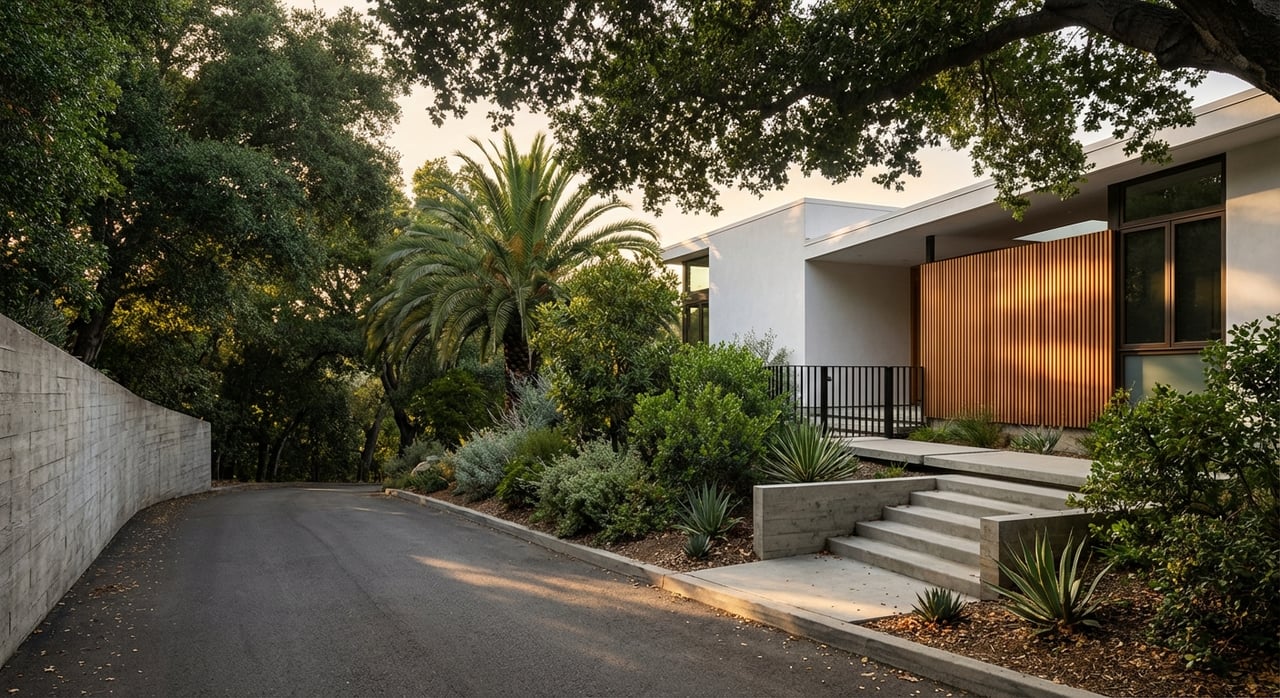
The Hollywood Hills combine older and newer hillside construction on steep lots with narrow, curving streets. Many blocks have no sidewalks and limited sight lines. You will see everything from short driveways with street parking to gated entries with private switchbacks.
Parking is competitive in popular areas due to limited curb space and visitor traffic. Some streets run under Residential Preferential Parking programs that require permits during posted hours. Always check the exact signs on your block.
Driveway grades to know
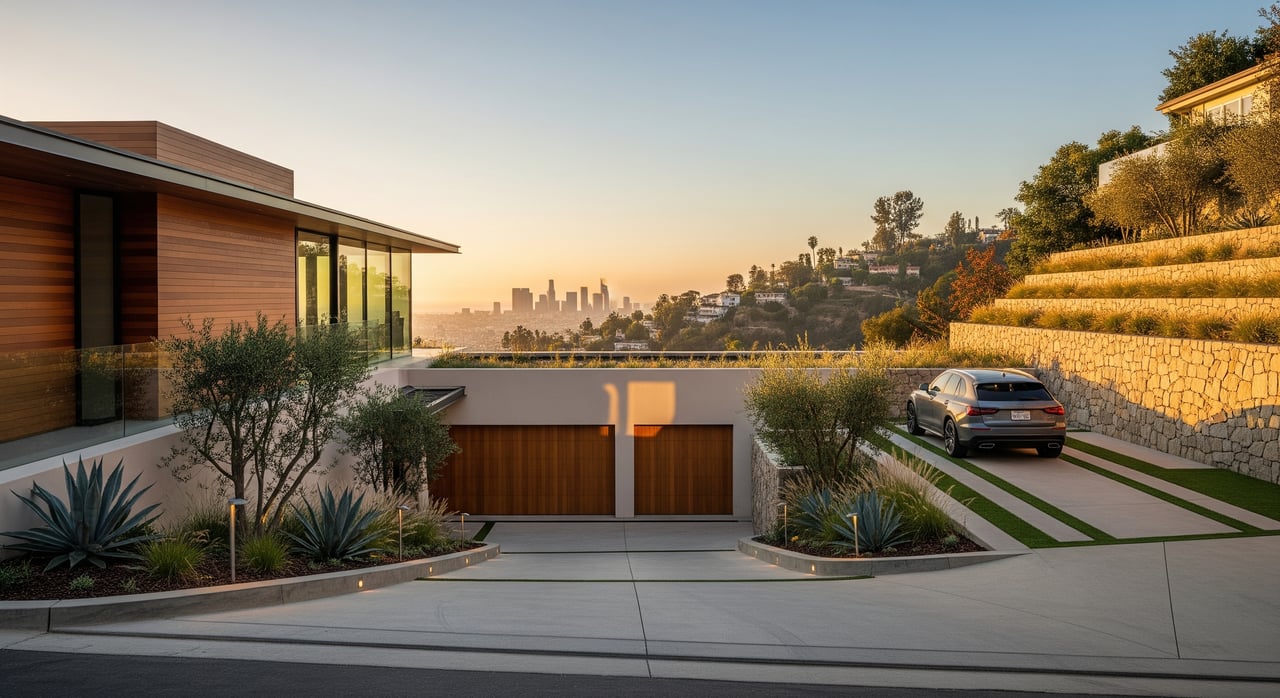
Hillside driveways vary widely. Slope is measured as rise over run, expressed as a percentage. A 10% grade rises 10 feet over 100 feet of horizontal distance.
- Under about 10%: Typically comfortable for daily driving. Easier for guests and service vehicles.
- About 10–20%: Common in the hills but requires care. Surface traction, drainage, and vehicle clearance matter more.
- Above about 20%: Can present safety and access challenges. You may need engineered solutions like switchbacks or reinforced surfaces.
Short, steep drives with limited space can force you to back into the street. That is common here, but it is a safety and legal consideration you should evaluate in person.
Codes, permits, and approvals
Several Los Angeles agencies are involved in hillside access and improvements.
- Los Angeles Department of Building and Safety: Permits for driveways, curb cuts, retaining walls, grading, and slope work. Retaining walls and major grading generally require engineered plans.
- Bureau of Street Services/Bureau of Engineering: Street and curb work permits if the public right-of-way is disturbed.
- Los Angeles Fire Department: Reviews emergency access for minimum widths, grades, and turnarounds. Access rules can affect additions or remodels.
If work touches the curb or sidewalk, a permit is usually required. Always verify past permits for driveways, retaining walls, and grading. Unpermitted work can slow or complicate escrow.
Design details that impact daily use
Small design choices add up to big differences in convenience and liability.
- Surface and traction: Concrete, asphalt, or pavers behave differently on steep grades. Smooth, sealed surfaces help reduce erosion.
- Width and turning: Narrow single-lane drives limit maneuvering and may force backing into traffic.
- Lighting and rails: Good lighting, handrails, and non-slip paths improve pedestrian safety.
- Drainage: Positive slope away from foundations, scuppers, and curb drains prevent runoff damage.
- Retaining walls: Check condition and permit history. Failures can block access and require costly repairs.
Street parking and curb rules
Hollywood Hills blocks use a mix of curb colors and posted signs. Enforcement is active, especially in tight zones.
- Red: No stopping, standing, or parking.
- Yellow: Commercial loading during posted times.
- Green: Short-term parking with time limits.
- White: Passenger loading only.
- Blue: Disabled parking with proper placard or plate.
Some areas are under Residential Preferential Parking. If your block is in an RPP zone, you will likely need permits for residents and guests during the posted hours. Confirm options for guest permits. Watch for overnight rules or street cleaning schedules.
Service access: trash, mail, deliveries
Service logistics can influence your daily routine and budget.
- Trash and recycling: Los Angeles Sanitation may require curb placement at set times. Steep or private roads sometimes use designated pickup points or private services. Confirm your address-specific collection point and bin requirements.
- Mail and parcels: USPS may deliver to a curbside or centralized box. Private carriers could leave packages at a gate or designated spot if large vehicles cannot access your drive. Ask about typical delivery patterns and any recurring package issues.
- Moves and large deliveries: Moving vans may need temporary parking permits to occupy curb space or block lanes. On very steep or narrow streets, movers may stage below the property and use dollies.
- Utilities and meters: Meters for water, gas, and electric are often near the street. Keep them unobstructed for crews. Confirm any recorded easements or shared access.
- Emergency access: LAFD access requirements for widths, grades, and hydrants can affect future permits. Ask about current compliance or approved alternatives.
Touring-day checklist
Bring a tape measure or phone measuring app, and give yourself time to assess the approach.
- Curb and parking
- Note curb colors, posted signs, RPP signage, and any street-cleaning schedules.
- Count nearby curb spaces on the block. Identify likely guest parking during busy times.
- Driveway and approach
- Measure approximate driveway width and length.
- Estimate slope using a phone level. Photograph from multiple angles.
- Note if you must back into the street and how visible oncoming traffic is.
- Check surface condition, cracks, drainage, guardrails, and lighting.
- Confirm vehicle clearance at gates and overhangs.
- Service points
- Locate the trash collection point and mailbox or cluster box.
- Ask where carriers leave packages and how large deliveries are handled.
- Emergency and access
- Consider whether a fire truck or ambulance could reach the property.
- Note any locked gates or private road restrictions that could delay responders.
- Neighbors and maintenance
- Ask about private road maintenance responsibilities and recent work on roads or retaining walls.
- Look for signs of past slides, erosion, or patched slope failures.
Inspection checklist
If you advance to inspections, add these items to your scope.
- Permits and history
- Request records for driveway, curb cut, retaining walls, grading, and repairs.
- Confirm there is no unpermitted work.
- Structural and civil
- Have an engineer review retaining walls, slope stabilization, and drainage.
- Check guardrails, steps, and rails alongside steep surfaces.
- Surface and safety
- Inspect for cracking, rutting, and slipping signs.
- Confirm non-slip treatments where appropriate.
- Fire and emergency access
- Ask a qualified professional to verify LAFD access, grade, and hydrant proximity.
- Easements and legal access
- Have title confirm legal vehicular access and any shared or cross-access agreements.
- Utilities and services
- Confirm clear meter access and the exact trash collection point.
Buyer tips for the hills
- Test the approach in your own vehicle, especially if you drive a low-clearance car.
- Ask the seller about delivery patterns, guest parking, and how recent moves were handled.
- Confirm RPP status and guest-permit options for your block.
- Review any private road or HOA maintenance agreements and recent invoices.
Seller tips to streamline escrow
- Prepare a one-page fact sheet with delivery instructions, trash pickup location, RPP details, and guest-parking options.
- Gather permit records for driveway work, retaining walls, curb cuts, and grading.
- Note any access improvements or limitations so buyers can plan accordingly.
Moving and large deliveries
- Schedule in advance and specify the vehicle type that can reach your property.
- If needed, arrange temporary parking permits for movers to occupy curb space safely.
- For steep drives, consider staging at the lower street and using experienced hillside crews.
Where to verify specifics
- LADOT: RPP programs, guest permits, and temporary parking permits for moves or deliveries.
- LADBS: Permits and records for driveways, curb cuts, grading, and retaining walls.
- LAFD: Access requirements for widths, grades, and turnarounds.
- Los Angeles Sanitation: Collection schedules and pickup locations for your address.
- Utility providers and USPS/private carriers: Meter access and delivery limitations.
- Title or escrow: Easements and shared maintenance obligations for private roads.
What this means for resale
Access is part of your property’s value story. A well-designed driveway with documented permits, reliable drainage, clear service access, and straightforward guest parking reduces friction for buyers. If a slope or approach requires extra care, having clear documentation and practical workarounds can protect pricing power.
Ready to tour hillside homes with a careful access and parking review? Connect with Joseph Kiralla for a tailored plan, design-savvy guidance, and private listing access.
FAQs
How steep is too steep for daily driving in Hollywood Hills?
- Many residents comfortably use driveways under about 10% grade, 10–20% can be manageable with care, and grades above about 20% may need engineered solutions.
How do residential permit parking zones affect guests?
- In RPP areas, residents and guests typically need permits during posted hours, so confirm your block’s status and ask about visitor permit options.
Will movers and delivery trucks reach my hillside property?
- Large trucks may need temporary parking permits and sometimes cannot access steep or narrow drives, so plan for staging and experienced hillside crews.
Who maintains private roads or retaining walls serving a home?
- Private roads often involve easements or HOA agreements with shared maintenance; review recorded documents and recent invoices during due diligence.
What permits should I verify for a hillside driveway in Los Angeles?
- Check for LADBS permits covering the driveway, curb cuts, retaining walls, grading, and any slope work, and confirm there is no unpermitted construction.
How can I confirm emergency access for my property?
- A qualified professional can evaluate LAFD requirements for road width, grade, hydrants, and turnarounds and identify any needed adjustments or approvals.