Trying to choose between a sparkling new hillside build and a thoughtfully renovated mid‑century in Studio City? You’re not alone. The neighborhood offers both, and each path comes with trade‑offs in lifestyle, permitting, energy performance, and long‑term costs. In this guide, you’ll learn where each home type tends to cluster, what to expect from Los Angeles permitting, how energy and electrification differ, and how to build a smart shortlist. Let’s dive in.
Studio City patterns: where to look
Studio City stretches from the flatter Ventura Boulevard corridor into the northern hills. Housing stock changes as the land rises and lots grow more complex.
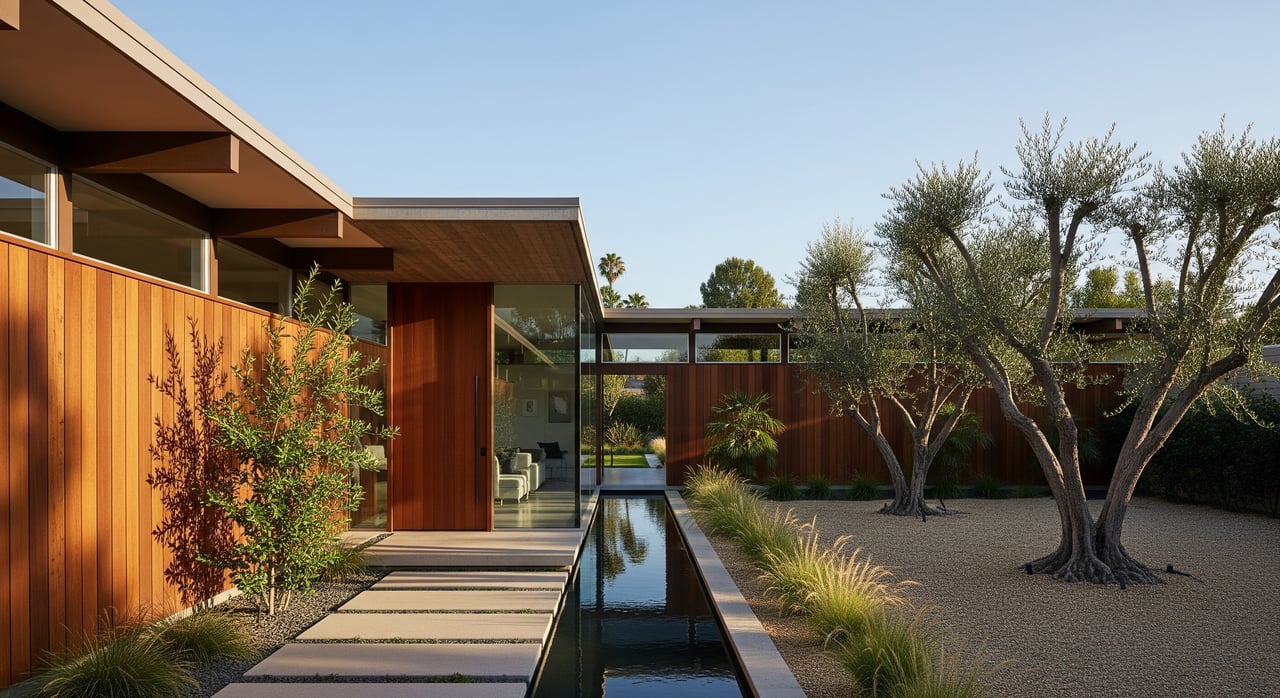
- Flats and Ventura corridor: You’ll find more modest lots, a higher concentration of mid‑century single‑family houses and bungalows, and frequent renovations or small infill projects.
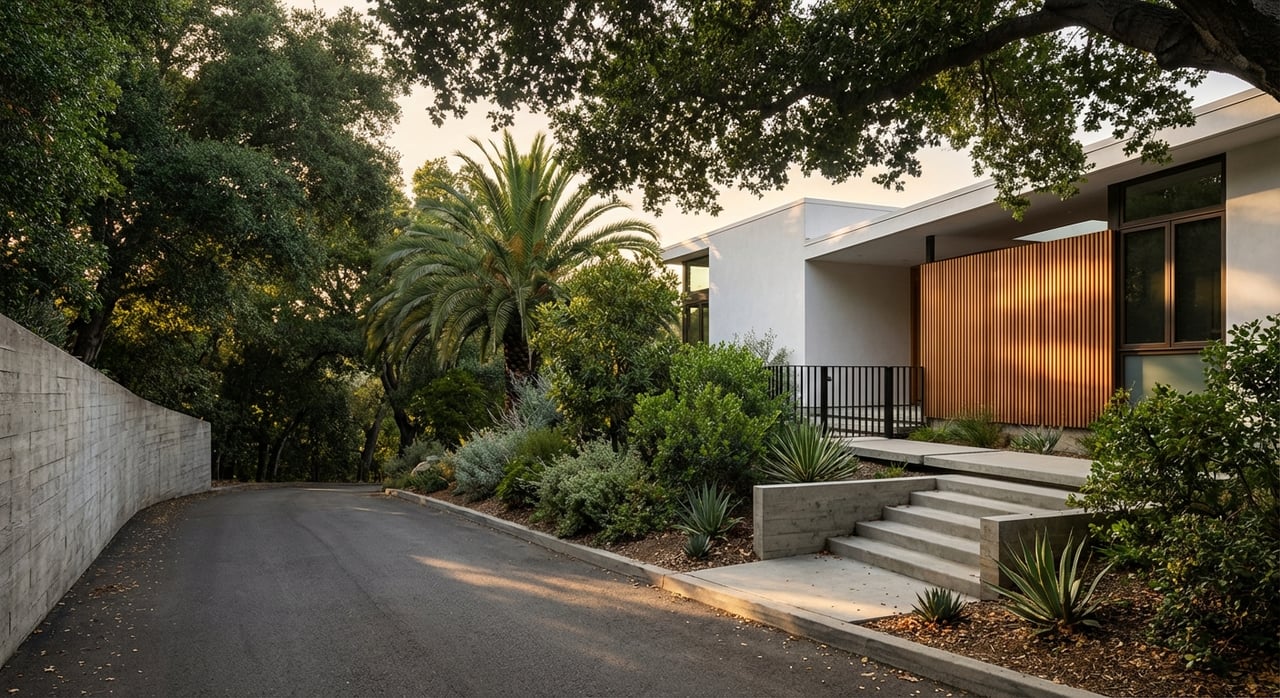
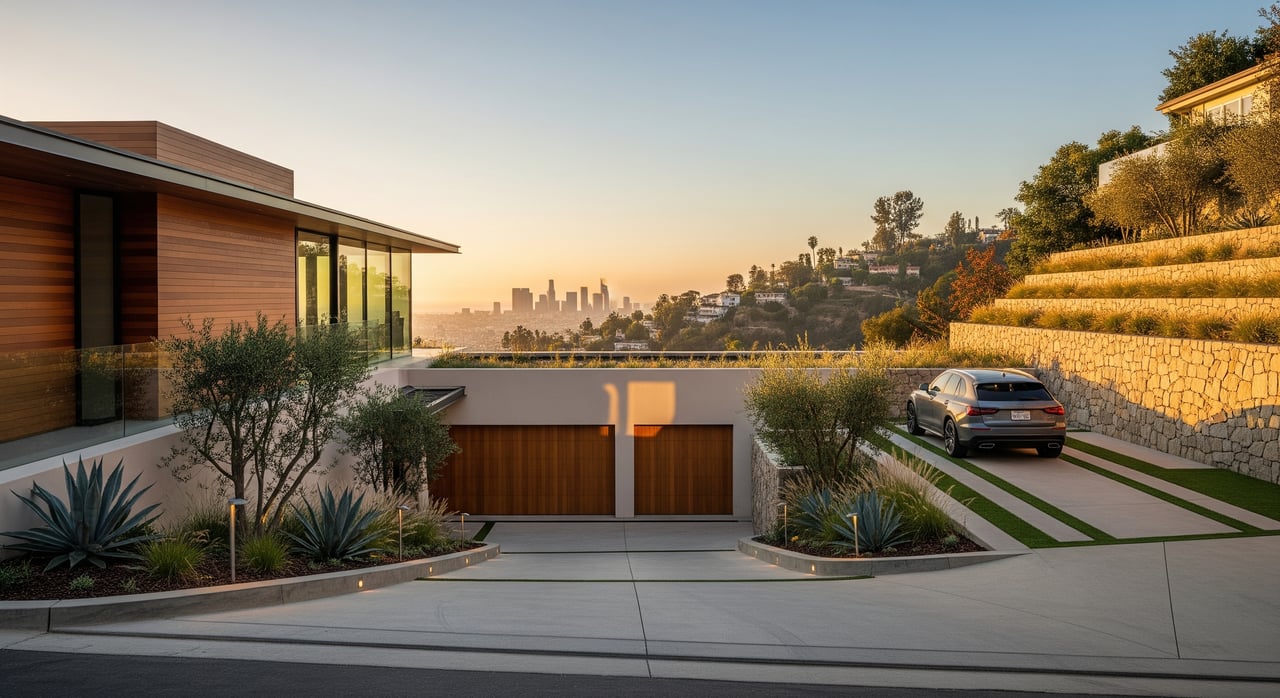
- Hillsides and canyons: Expect larger or more irregular lots, steeper slopes, and a mix of original mid‑century hillside moderns alongside full demolish‑and‑rebuild projects and contemporary new construction.
If you’re drawn to authentic mid‑century character near shops and dining, the flats and lower foothills are strong hunting grounds for renovated homes. If you want privacy, views, and a turnkey modern layout, new builds are more common in the hills and canyon streets.
Permitting realities: renovation vs new build
Los Angeles permitting paths differ significantly depending on scope and site conditions. Your choice affects timeline, risk, and budget.
Renovation permits and reviews
Most remodels require building permits for structural changes, plus plumbing, electrical, and mechanical permits as needed. Many interior updates follow streamlined plan checks. Larger additions or exterior changes add complexity, and historically significant properties can trigger extra review or incentives. Straightforward interior remodels can clear permits in weeks to a few months, while structural work or abatement needs often extend timelines.
New construction and demolition requirements
A new build needs a demolition permit, full building permit, and plan checks for current building, energy, and green codes. If the design pushes beyond base zoning, you may need discretionary approvals. Expect a longer runway before occupancy, often many months to a year, given demolition, entitlements when needed, inspections, and utility coordination.
Hillside specifics in Studio City
Hillside sites add geotechnical reports, grading permits, slope stability compliance, and drainage design to the checklist. Protected trees can require permits for removal or mitigation. These factors can expand both time and cost, whether you renovate a hillside home or build new.
Common friction points and timelines
- Discretionary reviews and neighborhood notice can slow larger new homes or additions.
- Grading, street, and utility work becomes more likely in the hills.
- Energy code compliance is strict for new builds and can increase upfront design and materials costs.
In general, a renovation is faster to green‑light than a new build. A demolition permit on a flat lot tends to be simpler than on a hillside, where grading and geotechnical reviews are expected.
Energy and electrification: where the differences show
California’s Title 24 energy standards set the baseline, but the path to high performance differs widely between renovated mid‑century homes and new construction.
New builds: a clean slate for efficiency
New homes must meet the latest energy code and CalGreen requirements. That makes it easier to design for all‑electric systems, thoughtful orientation, airtight construction, and modern glazing from day one. Many new builds are naturally set up for heat pump HVAC, heat‑pump water heaters, EV charging, and solar‑ready roofs, which can lower long‑term operating costs.
Renovated mid‑century: upgrades within constraints
Mid‑century homes often carry legacy systems like gas furnaces, older ductwork, or limited electrical panels. You can absolutely retrofit to a high‑efficiency or all‑electric setup, but it may involve panel upgrades, duct replacement, and structural considerations for solar. Envelope improvements like insulation and window replacements are possible but sometimes constrained by original framing or finish details. If the home predates 1978, plan for potential lead‑based paint or asbestos abatement whenever you open up assemblies.
Incentives and cost offsets
Local utility, state, and federal programs offer incentives that can offset electrification and efficiency costs, including equipment like heat pumps, insulation, and solar plus storage. Program amounts and rules change, so you’ll want to confirm the latest options before you budget. New builds often have a smoother path to integrated electric systems, while renovations may require service upgrades to support EV charging and larger PV arrays.
Character and maintenance trade‑offs
Each path aligns with a different type of design lover and a different maintenance profile.
Renovated mid‑century strengths and limits
- Strengths: Authentic period character, strong indoor‑outdoor flow, and often closer proximity to Ventura Boulevard amenities. Purchase prices can be lower than creating a full custom build on a comparable lot, and you can phase upgrades over time.
- Limits: You may balance preserving original details with modern efficiency goals. Footprints can be smaller, and ceiling heights or room layouts may be harder to change without major work.
New construction strengths and limits
- Strengths: Turnkey modern layouts with taller ceilings, integrated systems, smart home features, EV readiness, and optimized glazing. Energy performance and immediate maintenance needs are often best‑in‑class.
- Limits: Higher upfront purchase cost, longer delivery timeline, and some designs can feel more contemporary than classic mid‑century. Certain blocks may resist out‑of‑scale projects.
Lifecycle costs you should plan for
- Renovated mid‑century: Budget for electrical panel upgrades, plumbing or sewer lateral work, roof replacements, possible asbestos or lead abatement, and seismic anchoring or foundation repair if needed.
- New builds: Near‑term maintenance is typically lower. In the hills, watch for complex drainage, retaining walls, and landscape management. As always, builder quality matters.
Seismic, slope, and insurance considerations
Hillside properties can require extensive grading, slope stabilization, and drainage, whether new or renovated. Insurance coverage and lender requirements may differ by age, condition, and site topography. If you are weighing a hillside property, a geotechnical lens is essential to understand risk and long‑term costs.
Which fits you? Buyer profiles
- For mid‑century character, close‑in location, and faster move‑in: Focus on renovated or lightly updated homes in the flats and lower foothills. Prioritize listings with documented system upgrades or plan a phased improvement path.
- For turnkey efficiency, contemporary layouts, and privacy or views: Prioritize new builds or full rebuilds in the hills. Expect a higher acquisition price with lower immediate maintenance.
- For a blend of old and new: Target gut‑rehab mid‑century homes where the envelope, electrical, plumbing, and HVAC were replaced but the architecture was preserved thoughtfully.
Shortlist checklist: what to confirm on every property
- Age and system dates: Roof, HVAC, electrical panel, plumbing, sewer lateral, and windows.
- Permit history: Confirm that major work was permitted. Unpermitted additions can complicate lending and future permits.
- Hazardous materials: Ask whether asbestos and lead paint abatement have been completed or budgeted.
- Energy systems: Look for heat pump HVAC, heat‑pump water heater, solar panels and ownership status, EV charging capability, and overall electrical service capacity.
- Structure and geotechnical: Identify hillside conditions, retaining walls, drainage solutions, and any foundation or soils reports.
- Zoning and lot constraints: Note setbacks, allowed floor‑area ratio, protected trees, or other site restrictions that limit expansion.
- Neighborhood pattern: Consider how the home fits the surrounding scale to anticipate potential future rebuilds nearby.
- Comps and market context: Review recent comparable sales and time on market to position your offer.
- For new builds: Verify permit status, approved plans, stage of construction, builder reputation, and warranty terms.
Flats vs hills: quick comparison
- Flats and Ventura corridor: More renovated mid‑century options, smaller lots, easier access to amenities, simpler permitting in many cases.
- Hills and canyons: More opportunities for new construction and custom rebuilds, views and privacy, added geotechnical and grading requirements.
How I help you decide with confidence
You deserve more than a search filter. You need a design‑savvy advisor who can read a floor plan, spot hidden value in a mid‑century envelope, and pressure‑test a new build’s permitting and systems. I bring a curator’s eye to architecture‑forward homes in Studio City and surrounding hills, and I pair that with full‑service representation and modern marketing reach.
Whether you are weighing a renovated classic near Ventura or a turnkey hillside modern, I help you:
- Curate on‑target options in the right micro‑pockets.
- Verify permits and system upgrades so there are no surprises.
- Evaluate energy and electrification pathways that fit your lifestyle.
- Map timelines, risks, and costs so you can move with clarity.
Ready to see the best options on and off market? Connect with Joseph Kiralla to start your curated Studio City search.
FAQs
What are the main differences between new builds and renovated mid‑century homes in Studio City?
- New builds offer turnkey layouts, strong energy performance, and lower near‑term maintenance, while renovated mid‑century homes deliver authentic character and closer‑in locations with potential system upgrades to plan for.
Where do renovated mid‑century homes and new builds typically cluster in Studio City?
- Renovated mid‑century homes are common in the flats and lower foothills near Ventura Boulevard, while new builds and custom rebuilds are more frequent on hillside or canyon lots.
How do permitting timelines compare for renovation vs new construction in Los Angeles?
- Straightforward interior renovations can be permitted in weeks to a few months, while new construction often takes many months to a year due to demolition, plan checks, and inspections.
What should I budget for when buying a renovated mid‑century home?
- Plan for potential electrical panel upgrades, plumbing or sewer lateral work, roof replacements, possible asbestos or lead abatement, and seismic or foundation improvements.
Are hillside properties in Studio City more complex to build or renovate?
- Yes, hillside projects often require geotechnical reports, grading permits, slope stability measures, and drainage design, all of which add time and cost compared to flat lots.