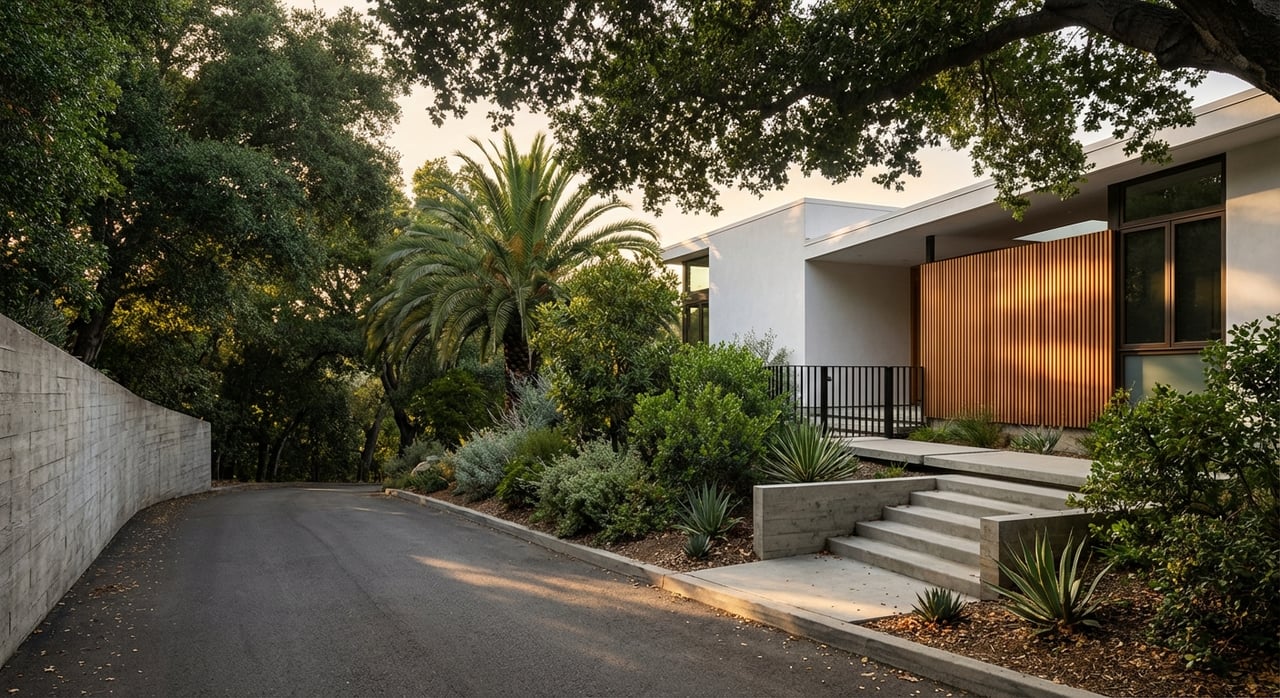
Shopping for a Pasadena home and noticing prices that sit above the usual loan caps? You are not alone. Many buyers here use jumbo financing, especially for architecturally significant and larger single-family homes. In this guide, you will learn how jumbo loans work, what lenders expect, Pasadena-specific factors that can affect approval, and the steps to prepare a strong file. Let’s dive in.
Jumbo loan basics
A jumbo loan is any mortgage that exceeds the conforming loan limit set by the Federal Housing Finance Agency. Conforming loans meet Fannie Mae and Freddie Mac standards. Jumbo loans do not, so private investors or portfolio lenders hold them and set their own guidelines.
The threshold changes each year and varies by county. Los Angeles County is considered a high-cost area, so the limit is higher than the national baseline. To see whether your target price in Pasadena will require a jumbo, check the FHFA’s current limits by county using the official Conforming Loan Limits Map.
Why many Pasadena buyers use jumbos
Pasadena offers a diverse mix of historic homes, hillside properties, and design-forward single-family residences. Sale prices for many of these homes often exceed the conforming loan limit, which makes jumbo financing common. For market context across Los Angeles County, review county-level trends from the California Association of Realtors.
Rising or falling FHFA limits can change your financing path year to year. A property that qualified for conforming financing last year might require a jumbo this year, and vice versa. Verify the current limit early in your search so you can plan your down payment and reserves with confidence.
What lenders look for on jumbo loans
Jumbo underwriting is more detailed than standard conforming loans. Expect higher standards across credit, down payment, assets, and documentation.
Credit score and history
Many lenders price best for mid-700s credit scores and above. Some will allow lower scores with strong compensating factors, such as a larger down payment or significant reserves. Clean credit history and on-time housing payments help your case.
Down payment and LTV
For a primary residence, many jumbo programs start at 10 to 20 percent down for strong borrowers. Some lenders may require 20 percent or more to achieve the best pricing. For second homes or investment properties, expect higher down payment requirements.
Debt-to-income ratio
Lenders often use 43 to 50 percent as a reference cap. Strong assets, lower loan-to-value, or high credit can support flexibility. Keep other debts steady during underwriting and avoid new credit lines.
Cash reserves and seasoning
Plan for 6 to 12 months of reserves for principal, interest, taxes, and insurance. Lenders also verify large deposits and transfers, so document the source of funds and allow time for seasoning where required.
Income documentation
You will provide recent pay stubs, two years of W-2s or 1099s, and federal tax returns. Self-employed borrowers should be ready with two years of returns, year-to-date profit and loss statements, and business bank statements. Select lenders may offer alternative documentation programs, but pricing and rules vary.
Appraisals and property eligibility
Jumbo loans typically require a full appraisal. Historic or architect-designed homes can be challenging to comp, so an appraiser with Pasadena luxury and unique property experience is helpful. Condos require extra review of the project’s finances, owner-occupancy, and any litigation, which can affect approval and timing.
Rates and pricing dynamics
Jumbo rates move with investor demand and market spreads. Sometimes they are slightly higher than conforming rates, but not always. Points, lender fees, and internal overlays can change your effective rate, so compare full APRs and fee structures across lenders.
Pasadena factors to plan for
Property taxes and assessments
Los Angeles County follows Proposition 13 rules for base assessments. New buyers should also budget for supplemental assessments and possible special assessments in certain districts. For an overview of local property tax basics, review the county’s Treasurer and Tax Collector resources.
HOA dues and condo review
Many Pasadena condos and planned communities include monthly HOA dues and occasional special assessments. Lenders include these costs in your debt-to-income ratio. Some condo projects may require deeper review or portfolio lending, which can affect pricing and timelines.
Appraisal comparables for unique homes
Historic and architecturally distinct homes add design value, but nearby comparables can be limited. Work with your agent to prepare relevant comps and market context. This planning helps you respond if an appraisal comes in below the contract price.
Get pre-approved the right way
With jumbos, sellers expect a robust pre-approval rather than a quick pre-qualification. A full review of your credit, income, assets, and reserves can strengthen your offer and shorten your financing contingency. For general guidance on shopping for a mortgage, the CFPB’s overview is a solid reference: shopping and comparing mortgages.
Your jumbo pre-approval checklist
Gather these items early and keep them updated:
- Government-issued ID and Social Security number
- Two years of federal tax returns; W-2s or 1099s and 30 days of pay stubs
- For self-employed: two years of business returns, year-to-date profit and loss, and business bank statements
- Two to three months of all bank, brokerage, and retirement statements
- Documentation for large deposits or gifts, including gift letters if applicable
- Statements for other real estate owned and related mortgage statements
- Condo documents or HOA information if applicable
- Purchase contract and basic property details once in escrow
For more on what lenders commonly request, see the CFPB’s guide to documents you may need for a mortgage.
Choose the right jumbo lender
Compare more than just the headline rate. For jumbo loans, program fit and execution speed matter just as much.
- Rate and APR, including points and lender fees
- Maximum loan-to-value by property type and occupancy
- Required reserves and what counts as acceptable liquid assets
- Debt-to-income limits and treatment of rental or other income
- Underwriting and closing timelines, plus appraisal and condo review processes
- Availability of bank-statement or asset-qualification programs if needed
- Experience with Los Angeles County appraisals, title norms, and assessments
Smart questions to ask
- Do you offer portfolio or correspondent jumbo programs for Los Angeles County? What are your typical credit score, LTV, and reserve expectations?
- How do you verify and season large deposits or transfers of assets?
- What is your appraisal and underwriting timeline for jumbos, and what contingencies should I plan for?
- Have you closed jumbos in Pasadena for properties similar to mine, such as historic or condo homes?
- How do your jumbo rates compare to conforming right now, and what fees or points apply?
Before you commit, verify the lender’s license and standing using NMLS Consumer Access.
Offers, appraisal gaps, and escrow timing
Jumbo files can add time during escrow because documentation and appraisals are more complex. Build your timeline around the lender’s expected underwriting flow and any condo or project reviews. Confirm appraisal scheduling early.
If an appraisal comes in low, consider options like a price adjustment, seller credits, or a larger down payment to keep loan-to-value within guidelines. You can also adjust the financing contingency date to match jumbo underwriting expectations. A strong pre-approval and clear communication help sellers feel confident in your offer.
Your next step
If you plan to buy in Pasadena at price points that may require a jumbo, preparation is your advantage. Confirm the current loan limit, assemble your documents, and interview lenders who know Los Angeles County. When you are ready to tour design-forward homes and navigate jumbo financing with confidence, connect with Joseph Kiralla to align your search, strategy, and timing.
FAQs
Do jumbo loans in Pasadena always have higher rates?
- Not always. Pricing depends on market spreads, your credit profile, loan-to-value, and the lender’s appetite. Strong borrowers can see competitive jumbo rates.
How big of a down payment will a jumbo require in Pasadena?
- Many primary residence jumbo programs start around 10 to 20 percent down. Second homes and investment properties generally require larger down payments.
How long does a jumbo loan take to close in Los Angeles County?
- Plan for about 30 to 45 days. Complete documentation and an experienced lender can shorten this, while condo reviews or complex appraisals can extend it.
What should I know about condos and HOAs for a jumbo in Pasadena?
- Lenders review the condo project’s financial health, owner-occupancy, and any litigation. HOA dues and assessments count toward your debt-to-income ratio.
I am self-employed. Can I still qualify for a jumbo in Pasadena?
- Yes. Expect more documentation, such as two years of business tax returns and year-to-date financials. Some lenders offer bank-statement or asset-based programs.