If you’re torn between the flats and the hills in Studio City, you’re asking the right question. In this part of Los Angeles, that choice can shape your daily routine, the kind of home you find, and what future updates may involve. Understanding how topography affects access, architecture, and lot conditions can help you buy with more confidence. Let’s dive in.
Why the flats vs. hills question matters
Studio City is not formally divided into “flats” and “hills,” but the distinction is very real in how the area functions. The Los Angeles Community Plan describes Studio City as a group of neighborhoods shaped by the Ventura and Cahuenga corridor, with the hills and vistas south of Ventura and Cahuenga helping define the area’s topographical character.
For you as a buyer, that means this is less about a strict boundary and more about how a property lives. Lower-slope, corridor-facing streets often offer a different experience from steeper residential pockets farther into the hillside.
What the flats usually offer
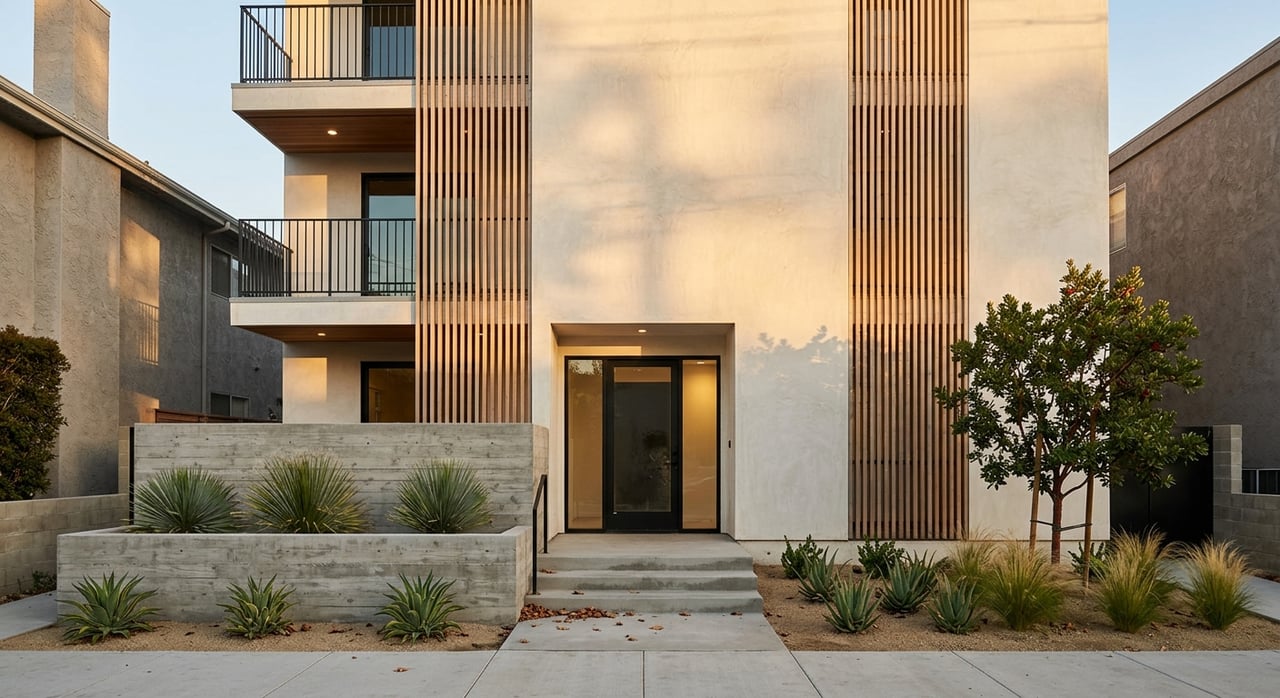
The flatter, Ventura-facing side of Studio City tends to feel more straightforward from a lot and access standpoint. Research points to more conventional lot geometry here, along with a mix of postwar single-family homes and low-rise multifamily buildings.
Architecturally, this side often includes ranch-style homes, modest remodels, and practical infill. Local examples support that pattern, including the 1959 Contemporary Ranch known as the Brady Bunch House and the Pink Flamingo dingbat apartment building, which shows how smaller urban lots were efficiently used.
Flats often mean easier daily access
If your priority is convenience, the flats may check more boxes. Ventura Boulevard serves as Studio City’s commercial core, with retail, restaurants, grocery, parking, and entertainment-related uses concentrated along that corridor.
That corridor also anchors transit. The Universal City/Studio City station at 3913 Lankershim Boulevard is served by the Metro B Line and local bus lines including 155, 224, and 240, and Metro notes there are 550 paid parking spaces plus 80 free spaces on Ventura Boulevard.
What that feels like in real life
On flatter blocks, your errands and commute may start with less friction. Access to Ventura Boulevard, nearby services, and transit options is generally more direct because the geography follows the corridor.
That does not mean every flat-side home is the same. It does mean that if you value quick access, more typical lots, and housing forms that are often easier to evaluate at first glance, the flats deserve serious consideration.
What the hills usually offer
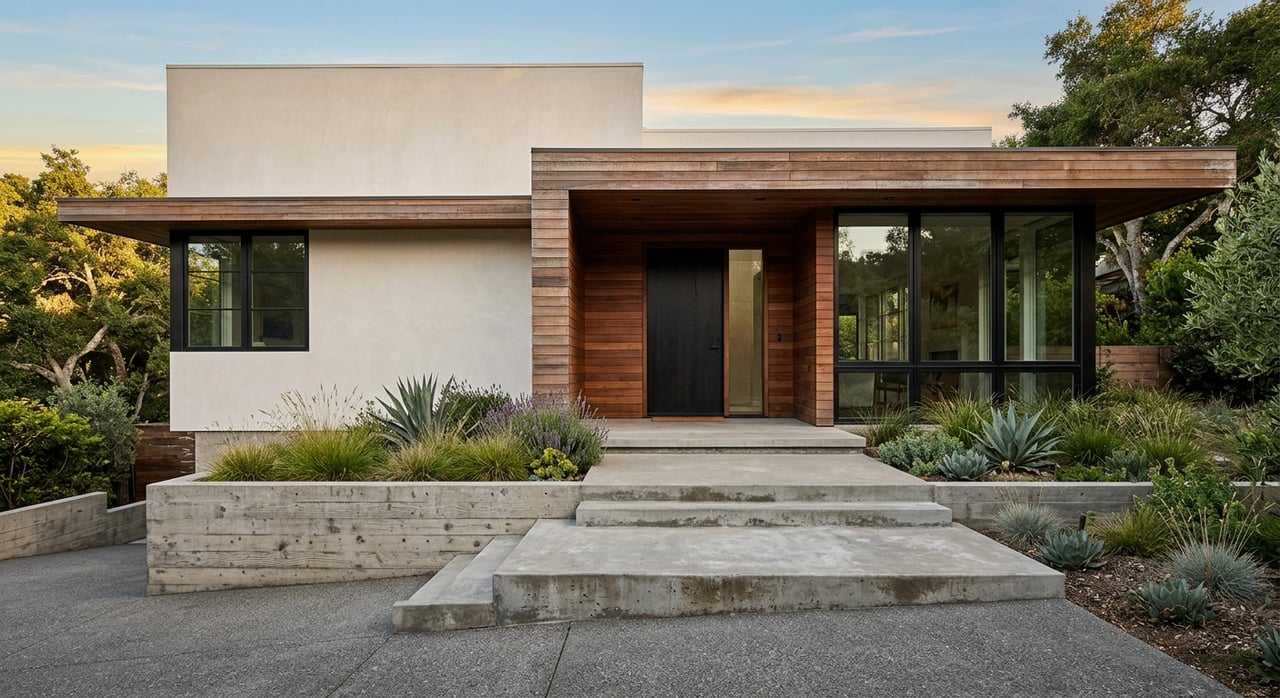
The hillside pockets of Studio City tell a different story. The Community Plan describes these areas as having diverse architecture, including preserved early California bungalows, and local landmark examples show homes shaped directly by slope, privacy, and views.
The Kallis House, for example, is a Modern home integrated into a sloping lot. El Paradiso sits high above Studio City on a narrow lot and is barely visible from the street. Together, those examples point to a hillside housing stock that often feels more custom and site-specific.
Hills often mean design shaped by terrain
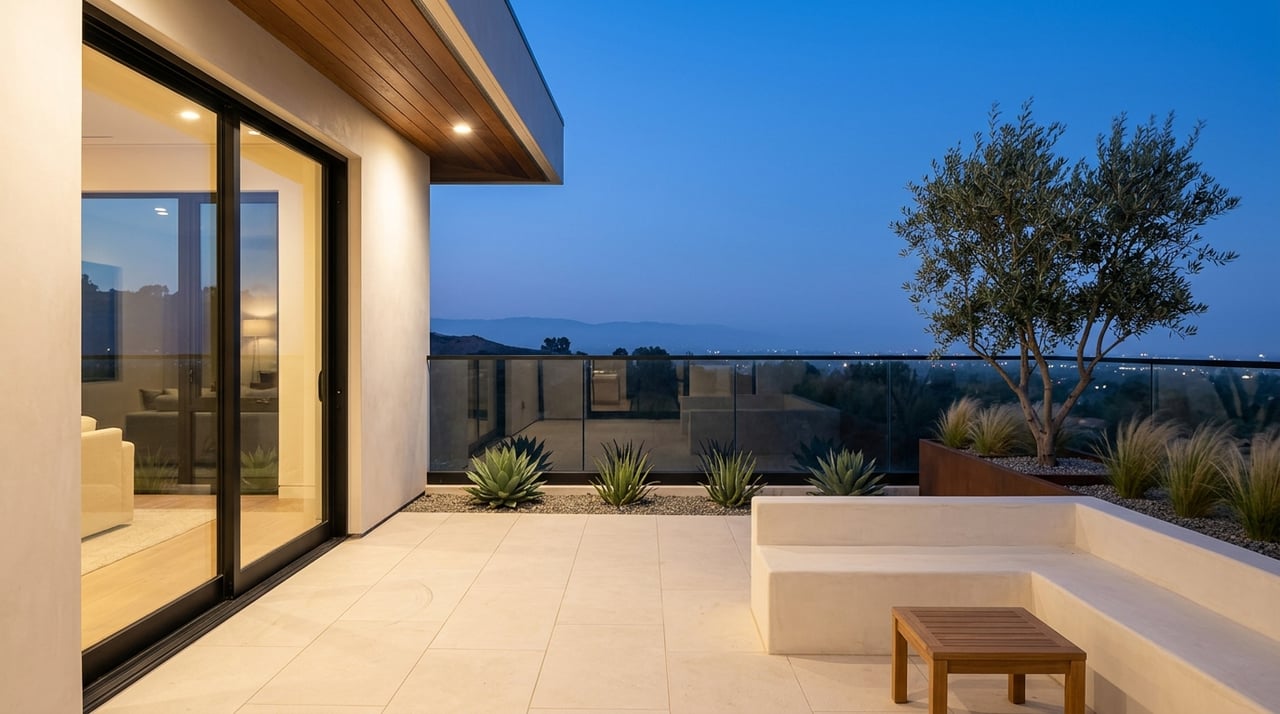
If you are drawn to homes with a stronger relationship to the land, the hills may be the better fit. In Studio City, hillside homes are more likely to be view-oriented and designed around elevation, lot shape, and privacy.
For design-minded buyers, this can be a major advantage. You may find more unique massing, more dramatic siting, and architecture that feels less standardized than what you often see on flatter parcels.
Hills usually require closer due diligence
The tradeoff is complexity. The City of Los Angeles treats hillside construction as a distinct category, and its hillside checklist for single-family zones calls for review of slope analysis, street access, setbacks, grading, lot coverage, parking, and height.
That is an important signal for buyers. A hillside parcel may involve steeper driveways, more grading considerations, or added questions about how a remodel or addition would fit the site.
Access and lot shape can change your decision
A great Studio City home is not just about style. It is also about how the lot works day to day and what the site may ask of you later.
On flatter properties, lot geometry is often more conventional. That can make it easier to think through parking, outdoor use, and future changes, even if every property still needs its own evaluation.
On hillside properties, the land often becomes part of the house’s identity. That can be beautiful, but it also means access, retaining conditions, grading, and buildable area may carry more weight in your decision.
Questions to ask on flat lots
When you tour flats or corridor-facing homes, focus on practical convenience first:
- How close is the home to Ventura Boulevard?
- How easy is parking for daily use and guests?
- What does the street feel like at different times of day?
- How much of your routine can happen without a long drive?
Questions to ask on hill lots
When you tour hillside homes, shift your attention to site complexity:
- How steep is the driveway or approach?
- Does the lot appear heavily shaped by retaining or grading?
- How much usable outdoor space is there?
- If you want to remodel later, how might slope and access affect the process?
Commute and convenience in Studio City
For many buyers, the biggest lifestyle difference comes down to convenience versus setting. Research supports that pattern clearly: Studio City’s commercial activity and strongest transit access are centered along the Ventura Boulevard corridor.
That makes flatter blocks especially appealing if you want simpler daily logistics. Trips for groceries, dining, and Metro access usually begin more quickly when you are already near the corridor.
Hillside pockets often offer a more tucked-away feel, but they may require a short drive down before the rest of your route begins. If your week involves frequent commuting or lots of short errands, that small difference can add up.
Wildfire diligence matters more in the hills
If you are looking at hillside property, wildfire diligence should be part of your process. CAL FIRE and the Office of the State Fire Marshal classify Fire Hazard Severity Zones as moderate, high, or very high and direct owners to use those maps to understand defensible-space and home-hardening responsibilities.
That does not mean every hillside home carries the same level of risk. It does mean checking the parcel’s hazard designation is a smart step when comparing homes in elevated or more terrain-driven settings.
A simple framework for choosing
If you are deciding between the flats and the hills in Studio City, a practical rule of thumb can help.
Choose the flats if you want
- More conventional lot geometry
- Easier access to Ventura Boulevard
- Stronger proximity to transit and errands
- A housing mix that often includes ranch homes and low-rise infill
Choose the hills if you want
- Better view potential
- A more distinctive, site-shaped home
- Architecture influenced by slope and privacy
- A setting that feels more removed from the commercial spine
The best choice depends on how you live
There is no universally better side of Studio City. The flats tend to maximize convenience, while the hills tend to maximize setting.
If you care most about a smooth daily routine, corridor access, and lots that are often easier to read, start with the flats. If you are willing to trade some convenience for a more tailored setting, stronger site character, and architecture shaped by the terrain, the hills may be where the right home reveals itself.
For design-minded buyers, this is where local guidance matters. The difference is rarely just flat versus steep. It is about how the parcel, the street, and the architecture come together to support the life you want to live.
If you want help comparing Studio City homes with a sharper eye for lot conditions, architecture, and day-to-day livability, connect with Joseph Kiralla.
FAQs
What does flats vs. hills mean in Studio City?
- In Studio City, “flats” and “hills” are informal terms that reflect topography, access, and housing form rather than official neighborhood boundaries.
Are Studio City hillside homes harder to remodel?
- They can require more scrutiny because the City’s hillside review process looks at slope analysis, access, setbacks, grading, parking, height, and related site factors.
Are Studio City flats closer to shops and transit?
- Generally, yes. Ventura Boulevard is the commercial core, and the Universal City/Studio City station and several bus lines are oriented around that corridor.
Do Studio City hillside homes have different wildfire considerations?
- Yes. Checking Fire Hazard Severity Zone maps is a prudent step because CAL FIRE and the Office of the State Fire Marshal use those maps to guide defensible-space and home-hardening responsibilities.
Which part of Studio City is better for everyday convenience?
- The flatter, corridor-facing areas usually offer easier day-to-day access to errands, parking, and transit.
Which part of Studio City is better for views and distinctive architecture?
- The hillside pockets are more likely to offer view potential and homes whose design is shaped by slope, privacy, and terrain.