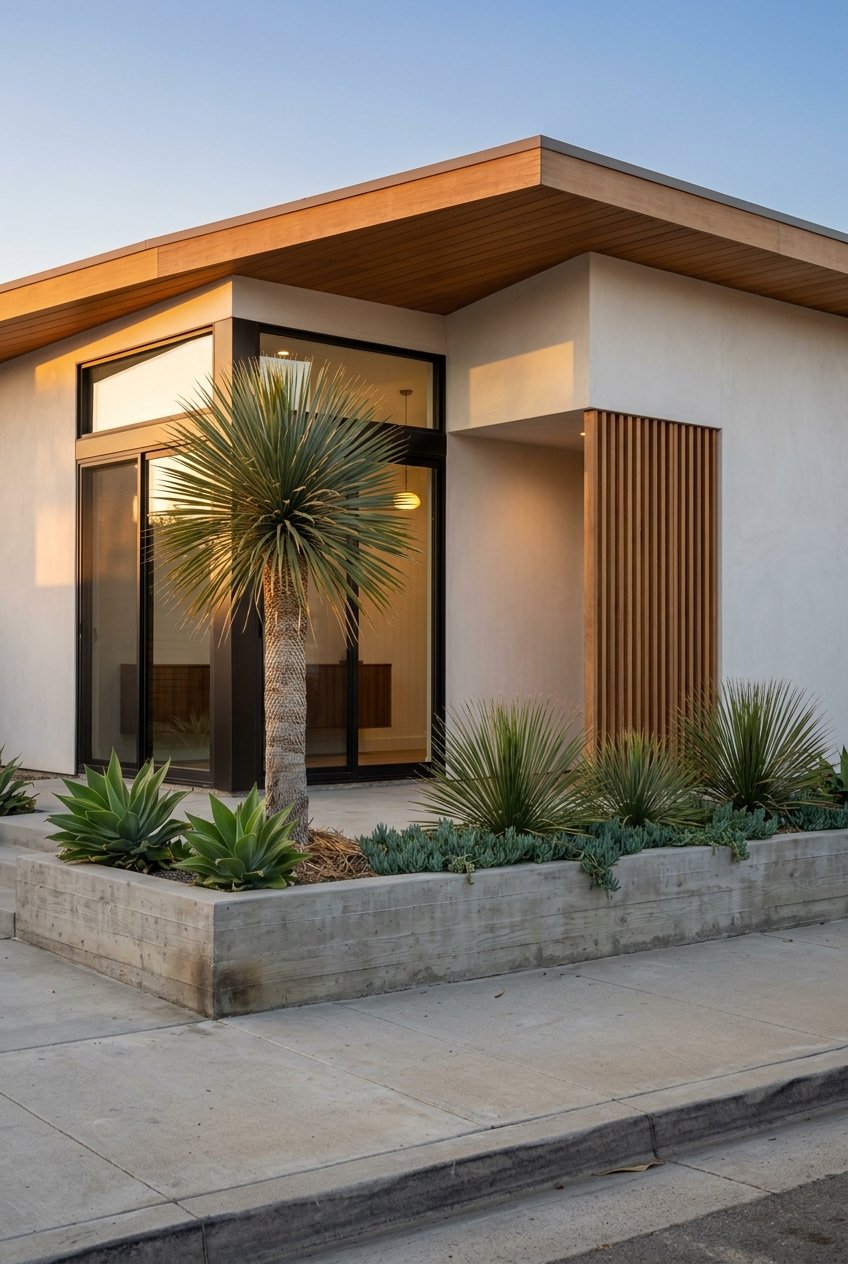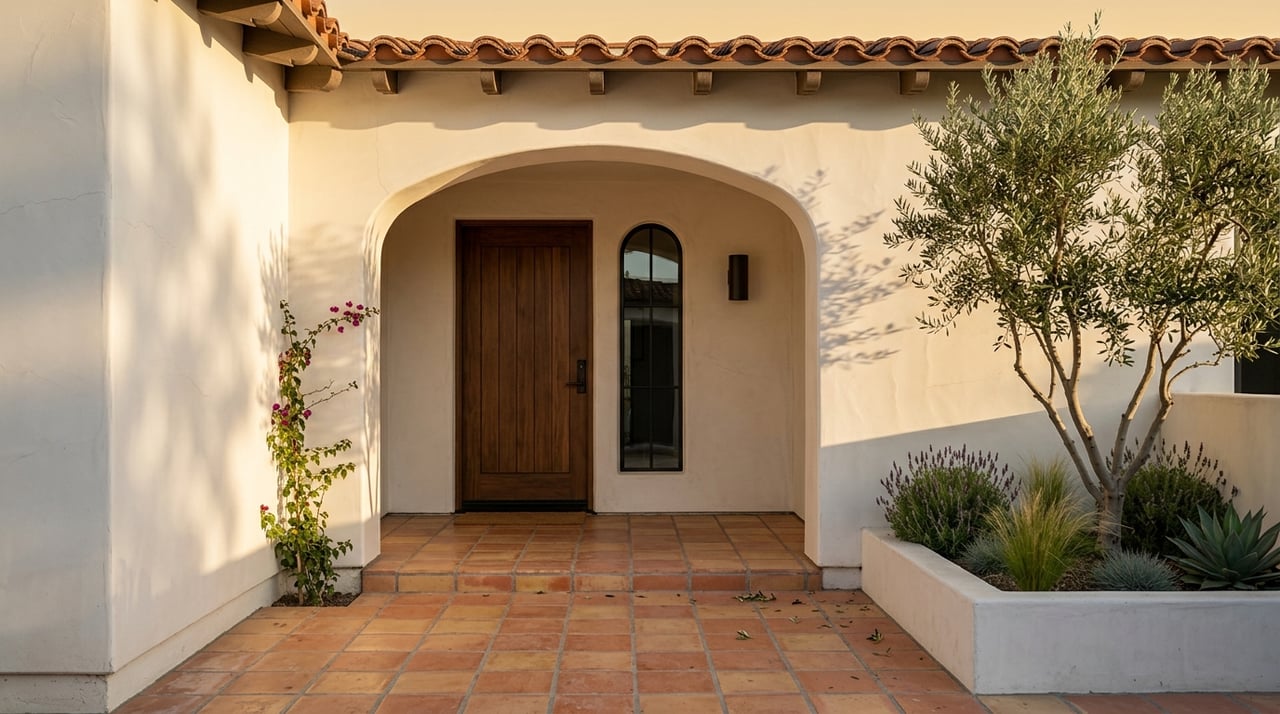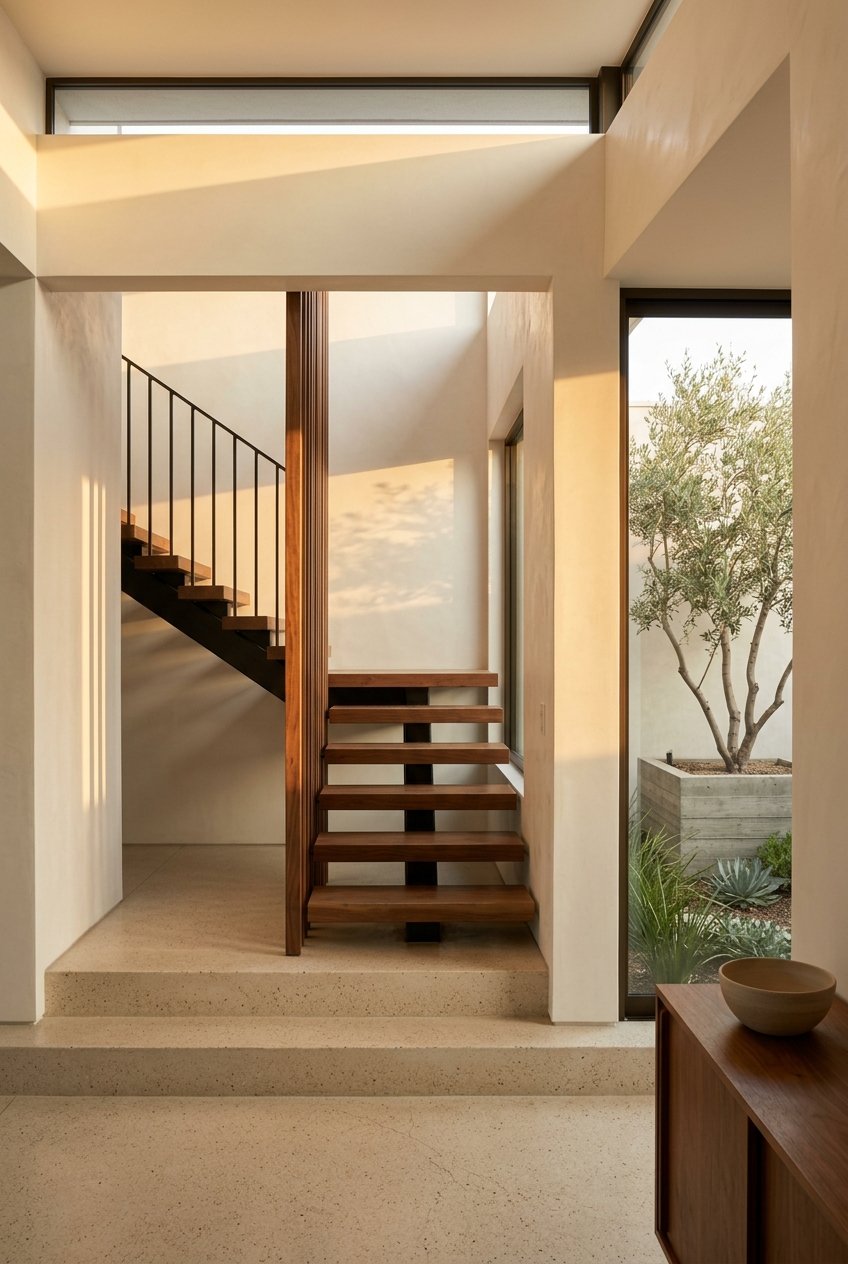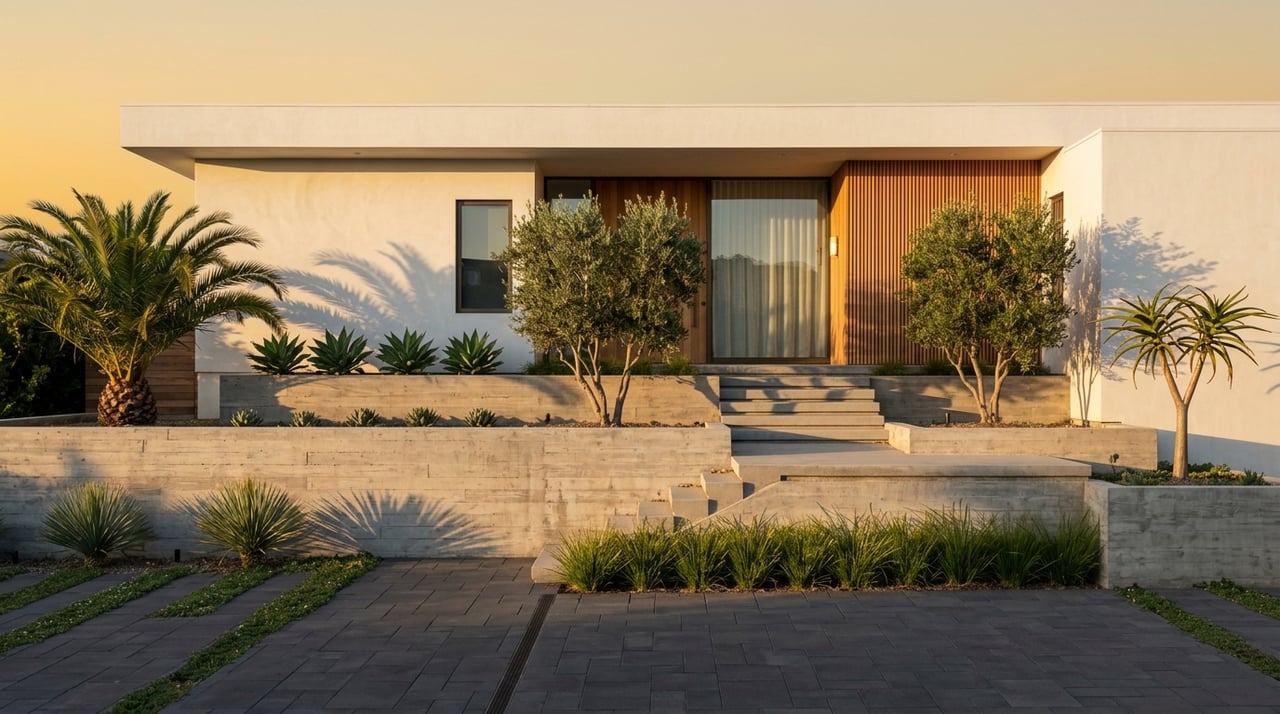
If you are weighing Beverly Hills flats versus hillside, you are really choosing between two very different ways of living. One offers easier day-to-day access and a more straightforward lot shape, while the other can offer privacy, elevation, and view potential with more constraints to manage. If you want a clearer way to compare the tradeoffs before you buy, this guide will help you focus on what matters most. Let’s dive in.
Beverly Hills flats vs hillside basics
In Beverly Hills, the distinction is not just casual local language. The city separates single-family properties into the Central Area, the Hillside Area, and Trousdale Estates, each with its own rules and mapped boundaries.
In practical terms, the land south of Sunset Boulevard is generally the flatter part of the city, with a mild slope. North of Sunset, the terrain becomes steeper and more rugged, and it is also where the city identifies its highest landslide potential. That split shapes everything from buildability to maintenance.
Trousdale Estates also deserves its own category. The city treats it separately in the code and on its official maps, so it should not be lumped in with either the flats or the broader hillside market.
Why location type matters
Two homes can have similar square footage on paper and feel completely different in real life. In Beverly Hills, that often comes down to topography, lot configuration, and the rules that apply to the parcel.
A flat lot often gives you more obvious outdoor usability and simpler circulation around the house. A hillside lot may offer more separation and a stronger architectural relationship to views, but the usable house and yard area can be more limited than the raw lot size suggests.
That is why the smartest comparison is not just lot size or price. It is how the site actually functions for your lifestyle, your renovation goals, and your long-term ownership plans.
Flats offer easier everyday use
If you picture a more convenient daily rhythm, the flats often stand out. The city describes the Business Triangle as one of the most pedestrian-friendly areas in the Los Angeles region and continues to improve walkability with streetscape upgrades, crossings, and pedestrian amenities.
That does not mean every flat-lot home is walkable to everything, but flatter central blocks are generally easier to navigate on foot than steep hillside streets. If you value smoother access for guests, simpler parking patterns, and more straightforward outdoor use, this can be a meaningful advantage.
The flatter terrain also tends to make the lot feel more immediately usable. Patios, lawns, pools, and garden areas can be easier to integrate into the overall plan of the home.
Buildability in the flats
In the Central Area, buildability is tied closely to site area. The city sets the maximum cumulative floor area at 1,500 square feet plus 40% of site area, and setbacks are largely based on city records or maps.
For buyers, that can make the path easier to understand early in due diligence. If you are considering a remodel or addition, the lot size and recorded conditions often play a very direct role in what is possible.
Renovation character in the flats
The Central Area also has a distinct review process for visible exterior work. Facades, windows, paint, and roofing can be subject to design review, which means the public-facing architectural character of the home matters in a very direct way.
For a design-minded buyer, this can be a plus. Beverly Hills has a long history of styles like Spanish Colonial Revival, American Colonial, Rural European Revival, and other period-influenced homes, and the flats often align with that more street-oriented architectural setting.
Hillside living brings privacy and views
If your priority is seclusion, elevation, and a stronger sense of retreat, the hillside can be compelling. The city’s hillside rules specifically address basin views, and the terrain naturally creates opportunities for outlooks and more separation from neighboring homes.
That upside comes with more regulation. Hillside standards can limit structures above 14 feet when they would disrupt an affected view, and landform-alteration standards also consider impacts on privacy, light, air, and garden quality.
In other words, hillside properties can deliver a dramatic setting, but they usually demand more careful analysis. The lot may be beautiful, yet the part you can build on or reshape can be more constrained than expected.
Buildability in the hillside
In the Hillside Area, raw acreage matters less than lot shape and the amount of level pad. Rear and side setbacks are formula-based, and off-level-pad floor area is limited to 1,000 square feet unless a Hillside R-1 permit is granted.
That is a major difference from the flats. A parcel can look generous on paper but still produce a smaller practical building envelope and less usable yard area.
Architecture in the hillside
Hillside homes often respond more directly to slope, privacy, and outlook. While Beverly Hills includes a wide mix of residential styles, hillside properties often lend themselves to custom contemporary or modern forms that step with the terrain or open toward views.
For buyers who care about architecture, this can be a real draw. The home may feel more sculpted to the site, with a stronger indoor-outdoor connection and a more private orientation.
Maintenance and hazard planning differ
One of the biggest ownership differences is ongoing upkeep. Beverly Hills inspects properties in the Very High Fire Hazard Severity Zone north of Sunset Boulevard annually beginning on or after April 1, and the city requires year-round vegetation abatement.
The city can also impose parking restrictions during extreme fire weather to keep evacuation and fire access routes open. Its wildfire planning materials emphasize that topography, fuel, and weather drive fire behavior, and the city focuses resources in its highest-hazard areas through home-hardening consultations, landscape inspections, and defensible-space work.
For buyers, this does not automatically rule out hillside living. It simply means ownership north of Sunset may come with a different maintenance mindset and more active fire-preparedness responsibilities.
How to decide which fits you
The right choice depends on how you live, not just what looks appealing in a listing. A stunning hillside view may lose some shine if you want easy outdoor play space, while a flat lot may feel less compelling if privacy and elevation are your top priorities.
A useful way to compare homes is to focus on how often you will use the features each setting offers. Daily convenience tends to favor the flats, while retreat-like privacy and outlook often favor the hillside.
Choose the flats if you want
- A flatter lot with simpler day-to-day access
- Stronger walking potential on central blocks
- More straightforward outdoor usability
- A renovation path where street-facing architectural character matters
Choose the hillside if you want
- Greater privacy and separation
- Stronger view potential
- A more site-specific architectural feel
- Comfort with steeper lots, brush-clearance obligations, and a tighter building envelope
Due diligence questions to ask
Before you move forward on either type of property, confirm which city rules apply. In Beverly Hills, that means identifying whether the parcel is in the Central Area, the Hillside Area, or Trousdale Estates.
You should also ask practical site questions early. On hillside properties especially, the amount of level pad can matter more than the stated lot size.
A focused due diligence checklist includes:
- Which single-family area applies to the parcel
- How much level pad the lot actually has
- Whether the property is in the Very High Fire Hazard Severity Zone
- Whether existing additions are nonconforming or rely on prior permits
These details can change how a property lives today and what you can realistically do with it later.
A design-forward way to compare options
In Beverly Hills, the best homes are not just about address prestige. They are about fit between the architecture, the site, and the way you want to live.
That is especially true when you are deciding between flats and hillside. One setting may support easier everyday use, while the other may reward you with a more private and dramatic relationship to the landscape.
If you want help comparing properties through both a practical and architectural lens, Joseph Kiralla can help you evaluate which Beverly Hills setting makes the most sense for your goals.
FAQs
What is the difference between Beverly Hills flats and hillside areas?
- In Beverly Hills, the city separates single-family properties into the Central Area, the Hillside Area, and Trousdale Estates. The flats generally refer to the flatter land south of Sunset Boulevard, while the hillside refers to the steeper terrain north of Sunset.
Are Beverly Hills hillside lots harder to build on?
- They can be. In the Hillside Area, lot shape, setbacks, and the amount of level pad often matter more than total lot size, and off-level-pad floor area is limited unless a specific permit is granted.
Are Beverly Hills flats more walkable than hillside homes?
- In many cases, yes. The city identifies the Business Triangle as highly pedestrian-friendly and continues to expand walkability, while the steeper terrain north of Sunset makes hillside areas less convenient on foot.
Do Beverly Hills hillside homes have more fire-preparedness requirements?
- Yes, properties in the Very High Fire Hazard Severity Zone north of Sunset are subject to annual inspection timing, year-round vegetation abatement, and other fire-access considerations during extreme weather.
Should Beverly Hills Trousdale Estates be compared with the flats or the hillside?
- Not exactly. The city treats Trousdale Estates as its own mapped single-family area with its own code article, so it should be evaluated separately from both the flats and the broader hillside market.