If you are searching for an older Los Angeles neighborhood with real architectural personality, Eagle Rock deserves a close look. It offers a mix of early 20th-century houses, hillside streets, and design variety that can feel harder to find in more uniform neighborhoods. If you love homes with original character and want to understand where each style tends to show up, this guide will help you shop with more clarity. Let’s dive in.
Why Eagle Rock Appeals to Character Buyers
Eagle Rock is a hilly, primarily residential neighborhood with roots that go back to its pre-consolidation development period from 1886 to 1923. That history still shows up in the housing stock today, especially on residential side streets where older homes remain the dominant visual story.
For buyers, the appeal is not just age. It is the variety of styles, lot settings, and street patterns that create different living experiences from one pocket to the next. In Eagle Rock, a Craftsman on a slope, a compact bungalow on a flatter block, and a 1920s Spanish Colonial Revival home can each offer a very different kind of character.
Craftsman Homes in Eagle Rock
Craftsman houses are some of the clearest character homes in Eagle Rock. In the Hill Drive and Delrosa areas, city historic district materials describe cohesive early-20th-century Craftsman streetscapes that still read as distinct residential enclaves.
These homes often have the features buyers picture when they think of classic California character. Common details include low-pitched gabled roofs, wide eaves, exposed rafters, and deep front porches. Inside, local district reports note oak floors, beamed ceilings, built-in bookcases, and built-in buffets.
That combination usually creates a home that feels warm, detailed, and porch-oriented. Compared with later modern houses, many Craftsman homes feel more compartmentalized, with rooms that are clearly defined rather than fully open.
Where to Look for Craftsman Homes
If Craftsman architecture is at the top of your list, start with the northern slopes and the Hill Drive area. Survey materials describe this district as predominantly Craftsman, with some Spanish Colonial Revival, American Colonial Revival, and Tudor mixed in.
This part of Eagle Rock may especially appeal to buyers who want a stronger sense of early neighborhood development. You are more likely to find larger lots, more elevation, and streets with a pronounced historic residential feel.
Spanish Colonial Revival Homes
Spanish Colonial Revival became a major infill style in Eagle Rock during the mid- and late 1920s. That means many buyers looking for romantic period details will find real options here, rather than just isolated examples.
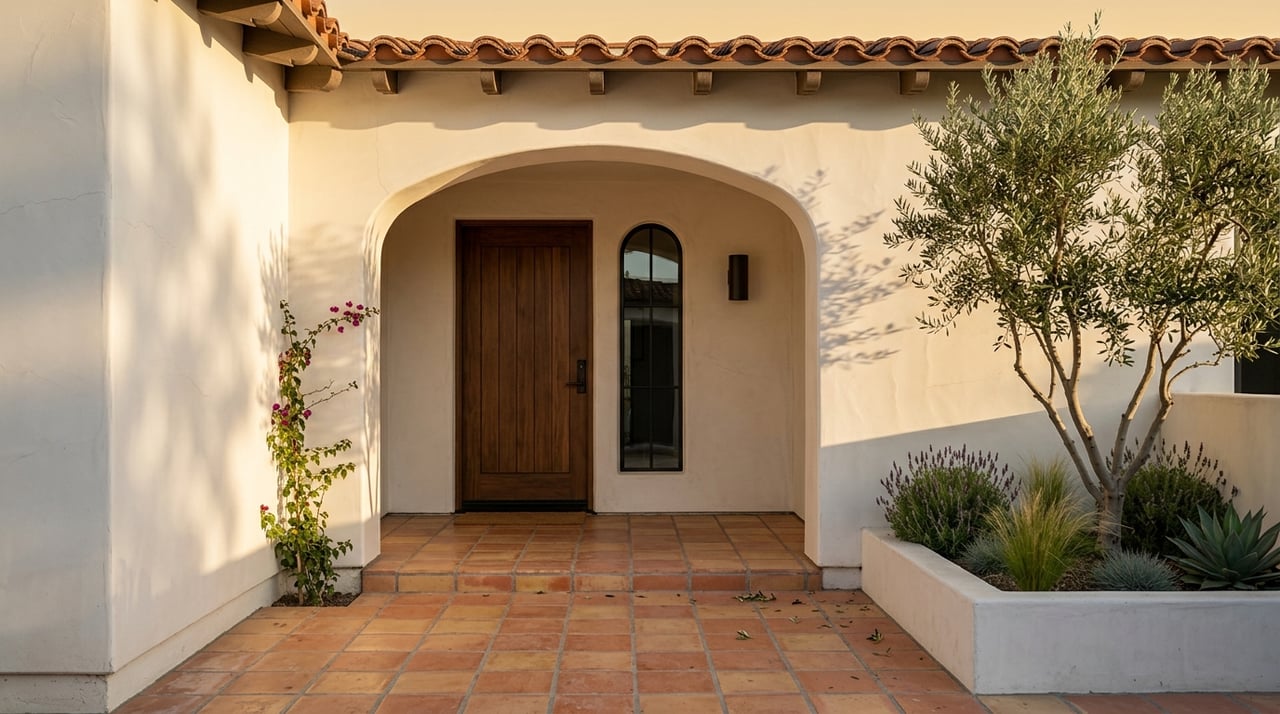
These homes are usually defined by stucco walls, low-pitched red tile roofs, arched openings, and deep-set windows. The style often extends beyond the house itself, with patios, terraces, courtyards, and wrought-iron details shaping the overall feel.
In practical terms, Spanish Colonial Revival homes often feel more enclosed and intimate than mid-century houses. Instead of relying on an open floor plan, they often create charm through sequence and separation, with outdoor spaces adding much of the lifestyle appeal.
What This Style Feels Like Day to Day
For many design-minded buyers, Spanish Colonial Revival homes offer atmosphere more than sheer openness. Light tends to filter through deep-set windows, and outdoor spaces can feel tucked away and private.
If you want a home with architectural mood, this style often delivers. It can be a strong fit if you value original detailing and a more defined relationship between indoor rooms and outdoor living areas.
Bungalows, Cottages, and Smaller Character Homes
Not every Eagle Rock character home is large or formal. In many parts of the neighborhood, the more common story is a modest bungalow or cottage-scale house with a smaller footprint and a more compact yard.
City planning materials identify Harvard Park as a planned early bungalow tract with landscaped parkways and curving streets. Historic district reports also point to flatter sections where smaller homes create cohesive streetscapes and a more consistent neighborhood rhythm.
For buyers, this can be the sweet spot if you want charm without the scale of a larger hillside property. These homes often feel approachable, efficient, and closely tied to the street and front yard.
Bungalow Courts in Eagle Rock
Eagle Rock has limited multifamily stock, and much of it appears in the form of bungalow courts. These properties usually center shared outdoor space around a central court rather than spreading units across a larger apartment footprint.
For buyers who appreciate older small-scale housing patterns, bungalow courts are worth recognizing as part of the neighborhood’s architectural mix. They reflect a different kind of historic character than a detached single-family house, but they still contribute to Eagle Rock’s design identity.
Mid-Century and Ranch Options
Mid-century architecture exists in Eagle Rock, but it is not the dominant language of the neighborhood’s older housing stock. City materials note a few notable Mid-Century Modern examples and point to the Eagle Rock Recreation Center clubhouse by Richard Neutra as a modernist landmark in the area.
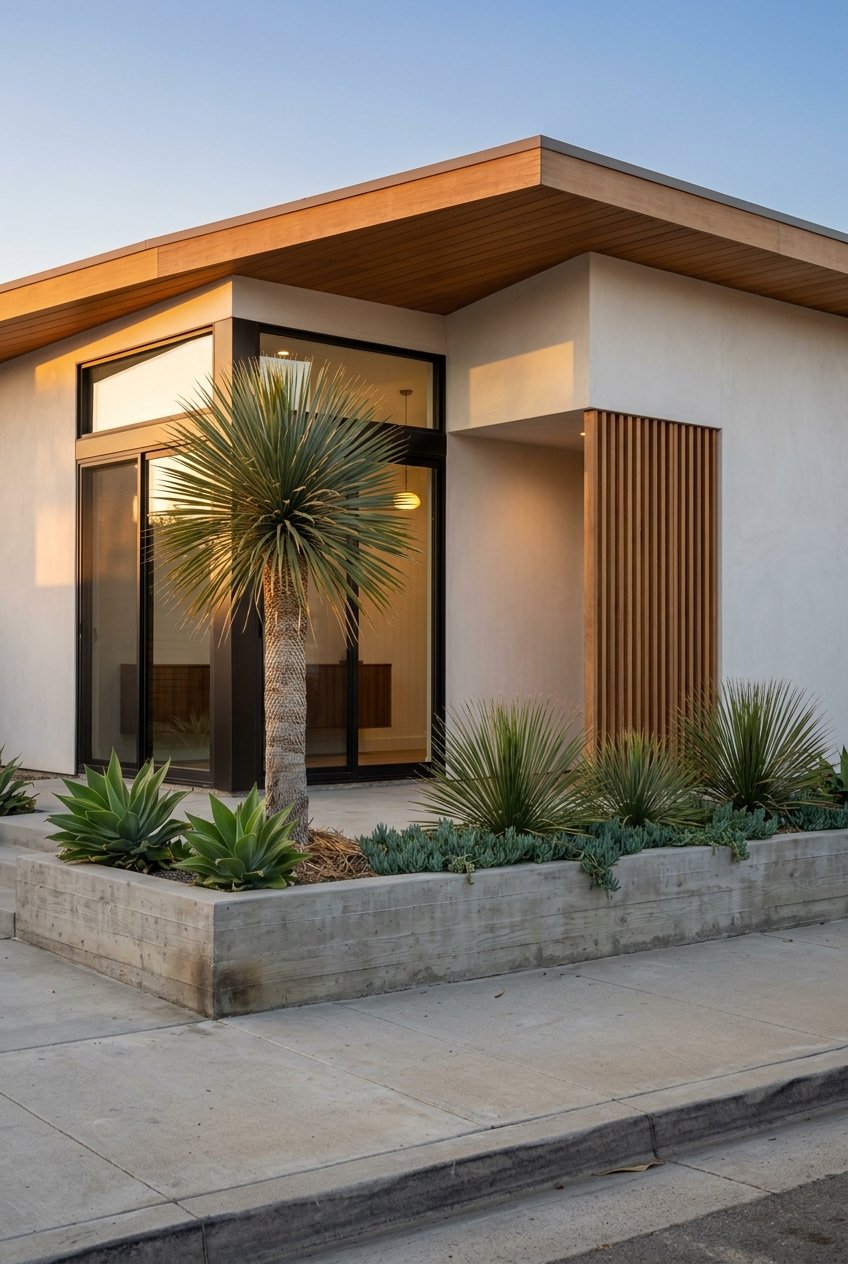
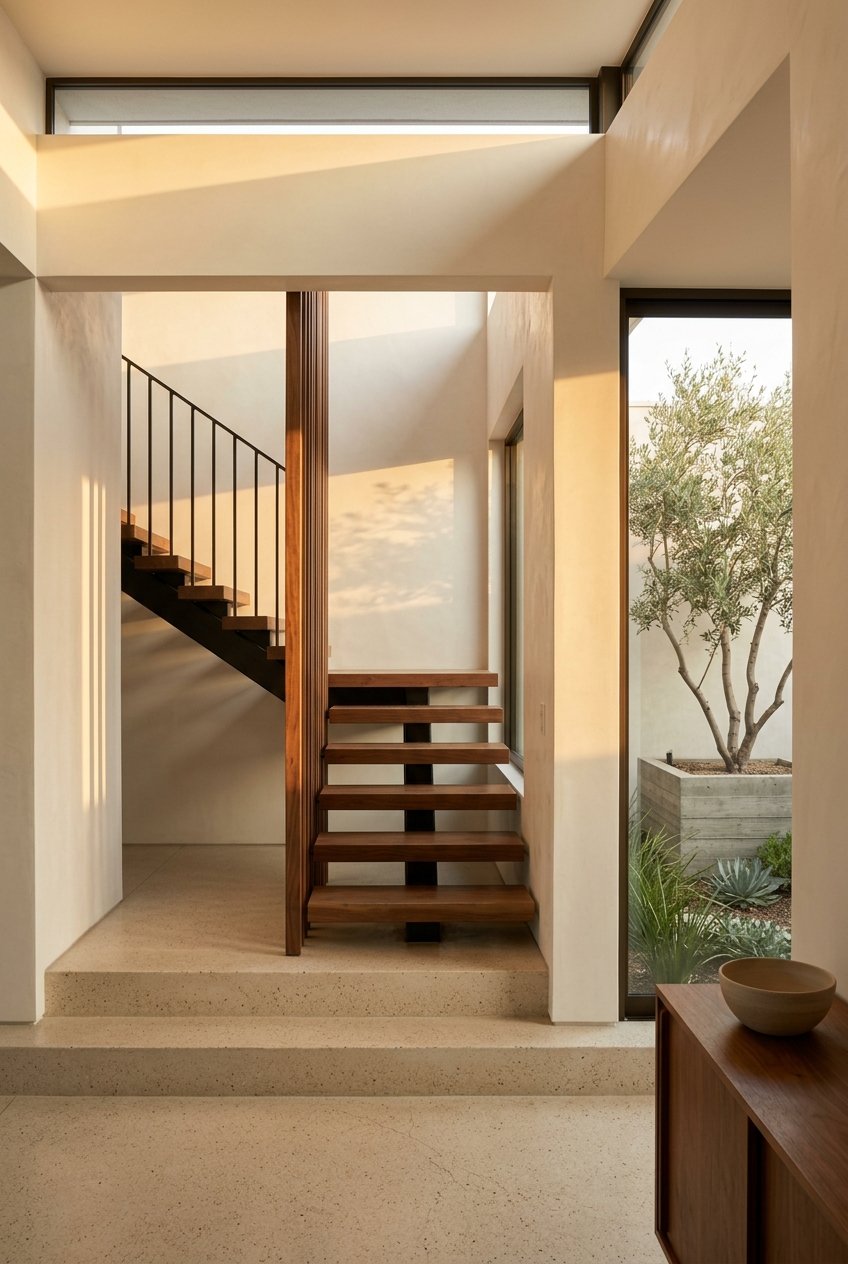
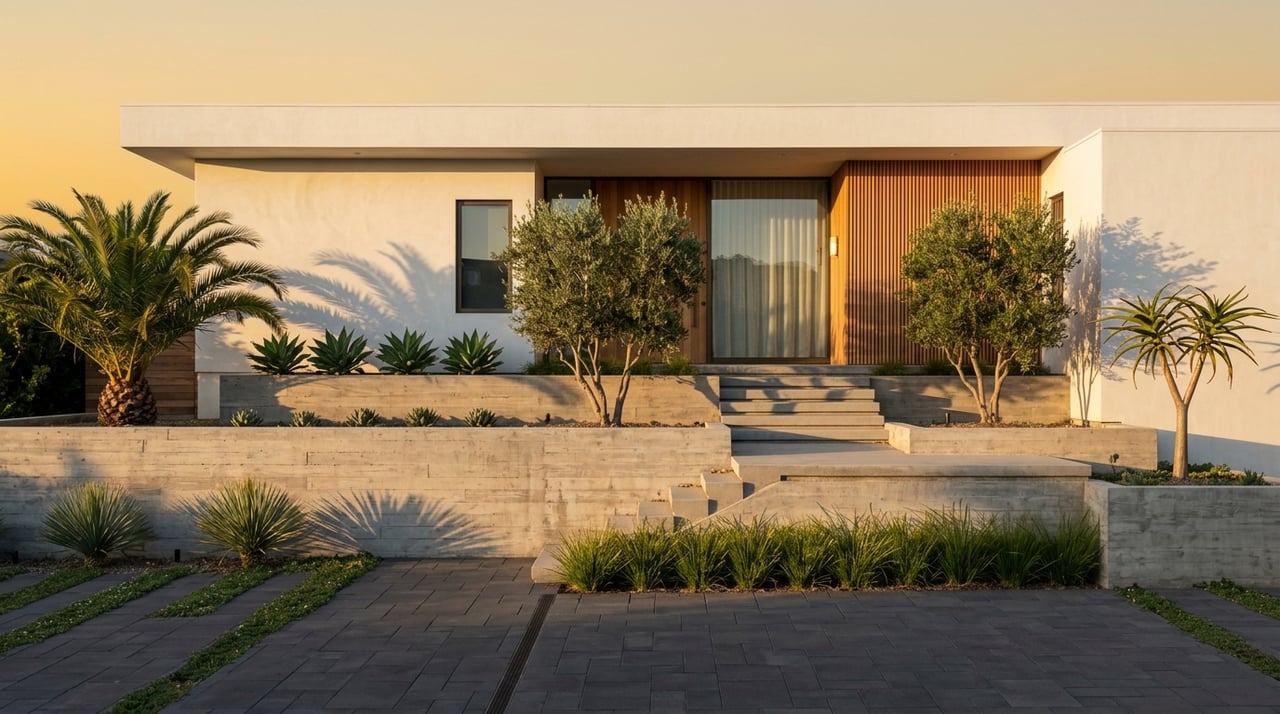
When you do find ranch or mid-century influenced homes, the experience is usually different from a Craftsman or Spanish house. These homes often emphasize open floor plans, large picture windows, abundant glass, and a stronger indoor-outdoor connection.
For some buyers, that means brighter interiors and easier access to patios or backyards. It can also mean fewer decorative period details, which may appeal if you want character with a cleaner and more minimal feel.
Secondary Styles Worth Knowing
While Craftsman and Spanish Colonial Revival tend to get most of the attention, Eagle Rock is not limited to those two categories. Secondary styles include Tudor Revival, American Colonial Revival, and occasional Streamline Moderne or International-style homes.
That matters when you are scanning listings. A house may still be architecturally interesting even if it does not fit the most familiar labels, so it helps to stay open to the neighborhood’s full design range.
Where Each Style Tends to Appear
One of the most useful ways to shop Eagle Rock is to think in terms of topography and street pattern. The neighborhood’s style mix becomes easier to understand when you connect house type to location.
| Area | What Buyers Often Find |
|---|---|
| Hill Drive and northern slopes | Predominantly Craftsman homes, with some Spanish Colonial Revival, Tudor, and Colonial Revival; often larger lots and more elevation |
| Harvard Park and flatter sections | Smaller bungalows, cottages, and cohesive early tract development with tighter footprints |
| Delrosa area | Cohesive Craftsman character and historic subdivision patterns |
| Colorado and Eagle Rock Boulevards | More altered commercial fabric, with side streets usually offering stronger residential character |
| Postwar pockets | A limited number of mid-century modern and ranch-style homes |
This shorthand can save you time. If you love larger Craftsman homes and a hillside setting, focus on the higher-elevation streets. If you prefer compact bungalows and more level blocks, flatter sections like Harvard Park may be a better fit.
Why Side Streets Matter More
Buyers sometimes assume the main boulevards will tell them everything they need to know about a neighborhood. In Eagle Rock, that can be misleading.
City historic-context materials note that Colorado Boulevard and Eagle Rock Boulevard have lost much of their original pre-consolidation character through later alteration. The boulevard core reflects a more commercial, streetcar-and-auto-oriented history, so buyers looking for intact residential character will usually do better on nearby side streets.
How Eagle Rock Compares Nearby
For buyers comparing Northeast Los Angeles neighborhoods, Eagle Rock stands apart for its mix of hillside Craftsman streets, flatter bungalow pockets, and 1920s Spanish Colonial Revival infill. It offers character, but not in the exact same preservation framework as every nearby area.
A helpful comparison point is Highland Park-Garvanza, which the city lists as a local historic district. Los Angeles notes that homes in an HPOZ have review standards for exterior work, landscaping, additions, and new construction so changes remain compatible with historic character, while Eagle Rock’s Colorado Boulevard area is guided by a specific plan rather than an HPOZ framework.
For a buyer, that distinction can matter. If you care deeply about how a historic streetscape may evolve over time, it is worth understanding the planning context along with the style of the house itself.
How to Shop Eagle Rock With Clarity
If you are buying for character, it helps to define what kind of character you mean before you tour too many homes. In Eagle Rock, style, scale, and setting are tightly connected.
Ask yourself a few practical questions:
- Do you want porch-driven charm or courtyard-driven charm?
- Do you prefer a more compartmentalized layout or a more open plan?
- Are you drawn to larger hillside lots or smaller homes on flatter blocks?
- Do original built-ins and period details matter more than indoor-outdoor flow?
- Would you consider a secondary style if the house has the right proportions and setting?
That kind of filter can make your search much more efficient. It also helps you evaluate listings based on design fit, not just bedroom count or price.
For buyers who care about architecture, Eagle Rock rewards close attention. The neighborhood is not one-note, and that is exactly why it continues to attract people who want a home with a strong sense of place.
If you want help identifying the right Eagle Rock pocket, evaluating a home’s architectural character, or gaining access to design-forward opportunities in Northeast Los Angeles, connect with Joseph Kiralla.
FAQs
What home styles are most common in Eagle Rock?
- The most recognizable older home styles in Eagle Rock are Craftsman houses, modest bungalows, cottages, and Spanish Colonial Revival homes, with a smaller number of mid-century modern, ranch, Tudor Revival, and Colonial Revival properties.
Where should buyers look for Craftsman homes in Eagle Rock?
- Buyers often find the strongest concentration of Craftsman homes in the Hill Drive area, the northern slopes, and parts of Delrosa, where historic district materials describe cohesive early-20th-century residential character.
Where can buyers find smaller bungalow homes in Eagle Rock?
- Smaller bungalows and cottage-scale homes are more common in flatter sections such as Harvard Park and other level blocks, where tract development created tighter footprints and consistent streetscapes.
Are Spanish Colonial Revival homes common in Eagle Rock?
- Yes. Spanish Colonial Revival became a major infill style in Eagle Rock during the mid- and late 1920s, so buyers can find more than just a few isolated examples.
Does Eagle Rock have many mid-century homes?
- Mid-century homes are present in Eagle Rock, but they are not the neighborhood’s dominant older-stock style. Buyers will usually encounter them in smaller numbers compared with Craftsman or Spanish homes.
Should buyers focus on Eagle Rock’s main boulevards for character homes?
- Usually no. City materials note that Colorado Boulevard and Eagle Rock Boulevard have lost much of their earlier character through later alteration, so buyers seeking more intact residential character often have better luck on side streets.