Ask a neighbor what opened in Los Feliz lately and they will probably mention a bar, a park building, or an app. None of those things are new construction. The bar moved into a space that already had a liquor license and a following. The park building has stood since the 1830s. The app runs on an observatory that opened in 1935. This is not a coincidence of timing. It is close to the only way anything gets added here.
Look at the last nine months and a pattern shows up that most write-ups about Los Feliz miss entirely: the neighborhood does not build new, it reoccupies. Every notable addition in 2026 so far has taken an existing shell and given it a new interior life.
The Bar That Didn't Need A New Address
Vandell opened on Hillhurst Avenue in early December 2025, and by the time Resy profiled it in February 2026, it was still drawing lines out the door. The owners are Michael Francesconi and Matthew Glaser of Park Hospitality, the pair behind Donna's in Echo Park, working with Republique cocktail alums Vay Su and Shawn Lickliter behind the bar.
What makes Vandell a useful data point isn't the drink list. It's the address. The space had been Nossa Caipirinha Bar until that closed at the end of 2024, and the offer to take it over came unprompted from the previous owners. Glaser put it simply: "We had all been talking about Los Feliz being our top choice." No new lease negotiation on undeveloped retail, no build-out from a shell. A working bar became a different working bar, in the same footprint, within about a year of the old one closing.
The food program tells the same story in miniature. Rather than compete for a full-service restaurant permit, Vandell runs about a dozen shareable dishes designed to support drinking, not replace a meal. It's a business built to fit the space and the neighborhood's walkability rather than to expand into either.
An 1830s Adobe Gets Interactive
A few miles up the hill, Griffith Park's Visitor Center reopened after a renovation that cost under $200,000, paid for by the Griffith J. Griffith Charitable Trust rather than city capital funds. The building it sits in is the Rancho Los Feliz Adobe, dating to the 1830s, which makes it older than the city's incorporation.
The upgrade added two new interactive displays, one on the park's plants and wildlife and one on its history, along with an updated three-dimensional park map. The taxidermy and design work came from two Lincoln Heights firms, RabCup and Prey Taxidermy, according to reporting from The Eastsider. A ribbon-cutting was held in December 2025, and Gerry Hans, president of the Friends of Griffith Park, described the goal at the time:
"The Visitor Center is finally transitioning into the new century."
That line is worth sitting with. The building itself did not transition anywhere. It's the same adobe, the same footprint, the same 1830s walls. What moved into the new century were the exhibits inside it. Los Feliz got a genuinely updated visitor experience without a single new square foot of construction.
The Observatory Adds A Layer You Can't See From The Lawn
The clearest version of this pattern showed up on May 14, 2026, when Griffith Observatory marked its 91st anniversary by launching a digital visitor guide through Bloomberg Connects, a free app built by Bloomberg Philanthropies for museums and cultural institutions. Per coverage from MyNewsLA, the observatory became the first in the United States to be featured on that platform, offering audio commentary, video, interactive maps, and translation into more than 50 languages through Google Translate.
Nothing about the building changed. It has looked essentially the same since the 2002 to 2006 renovation and expansion that added underground gallery space beneath the front lawn. What changed is the layer of interpretation sitting on top of a 91-year-old structure, developed as a follow-up to last year's 90th anniversary programming and aimed squarely at making an old building legible to a wider set of visitors.
Three separate institutions, three separate categories of business, one identical move: take something that already exists and make it work harder without expanding its physical footprint.
Why This Keeps Happening Here
None of this is really about scarcity of ambition. It's about the shape of the neighborhood itself. Los Feliz's commercial strip on Hillhurst is short and lined with early twentieth century storefronts. Its residential streets climb into hillside lots that were platted a century ago. Griffith Park itself is a fixed boundary, not a development pipeline. When there is very little unclaimed ground to build on, the only way to add something new is to go back into what's already standing and do more with it.
That shows up in small, telling details across all three stories this year:
- Vandell's build-out reused an existing bar's plumbing, layout, and liquor license rather than starting from an empty commercial shell.
- The Visitor Center's renovation budget went entirely toward exhibits and displays inside a building whose walls needed no structural work.
- The Observatory's guide required no permits and no construction, just new software layered onto a building whose exterior has stayed essentially untouched since the 2002 to 2006 renovation.
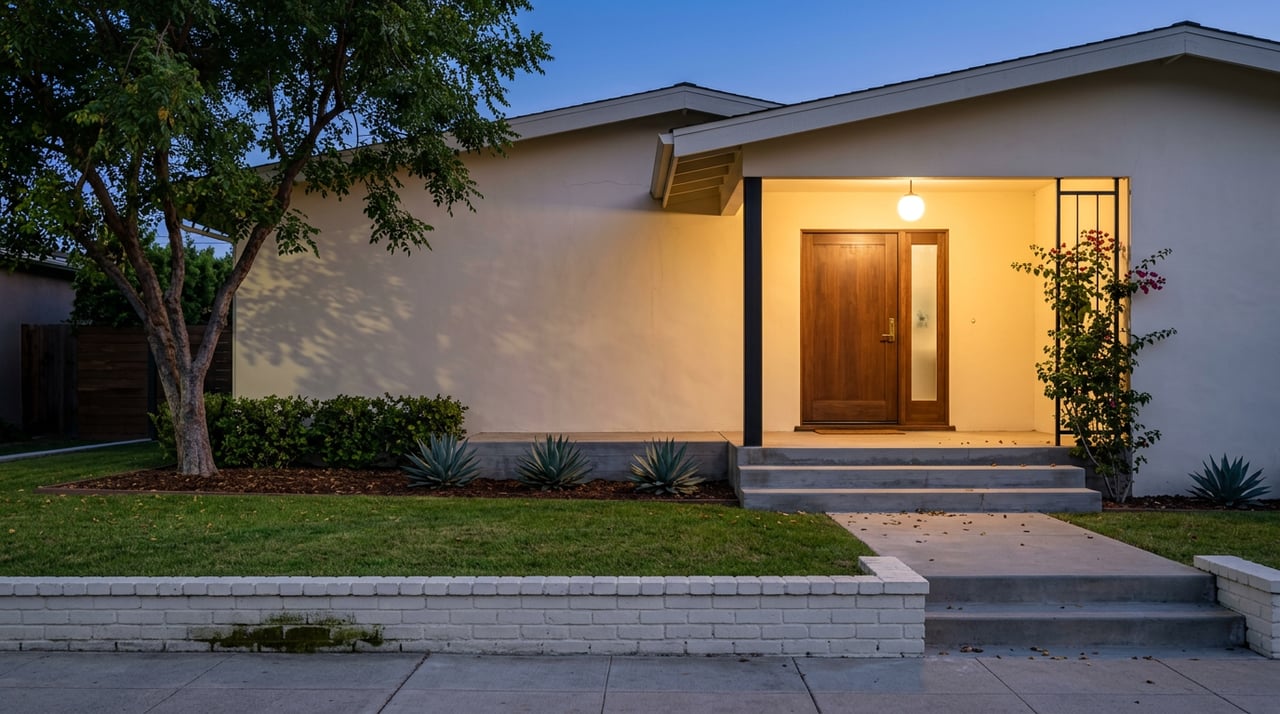
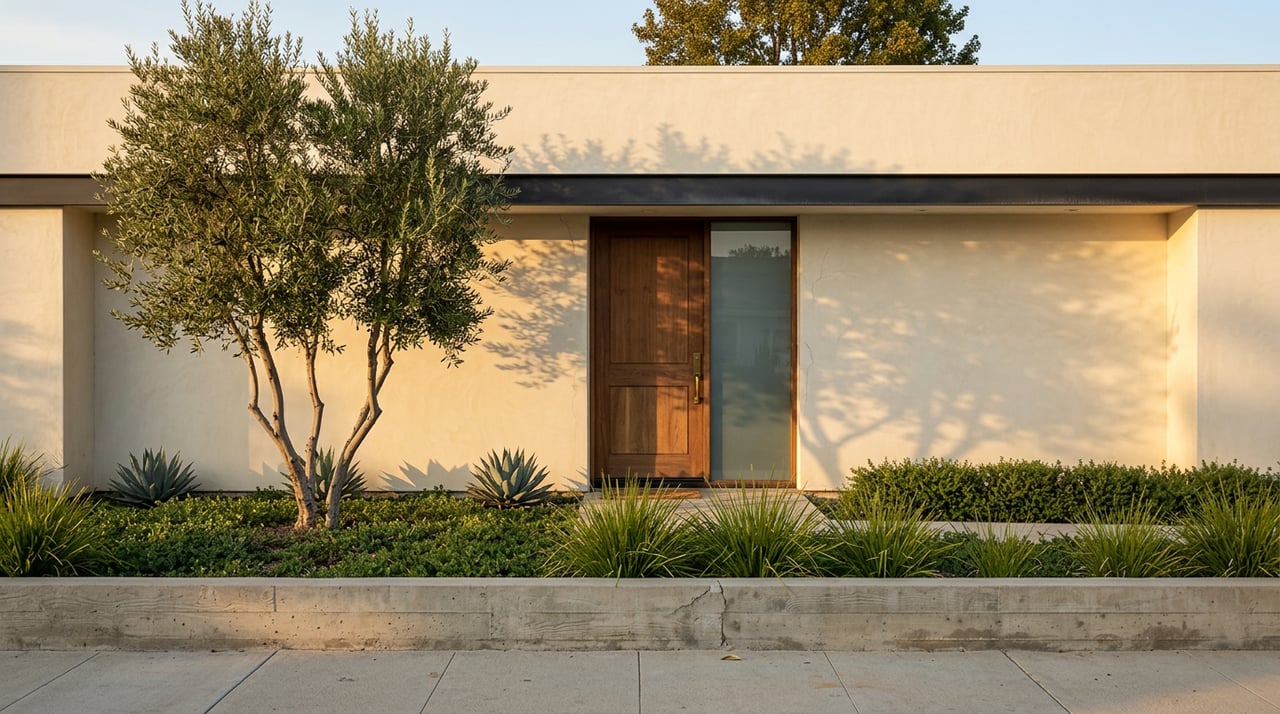
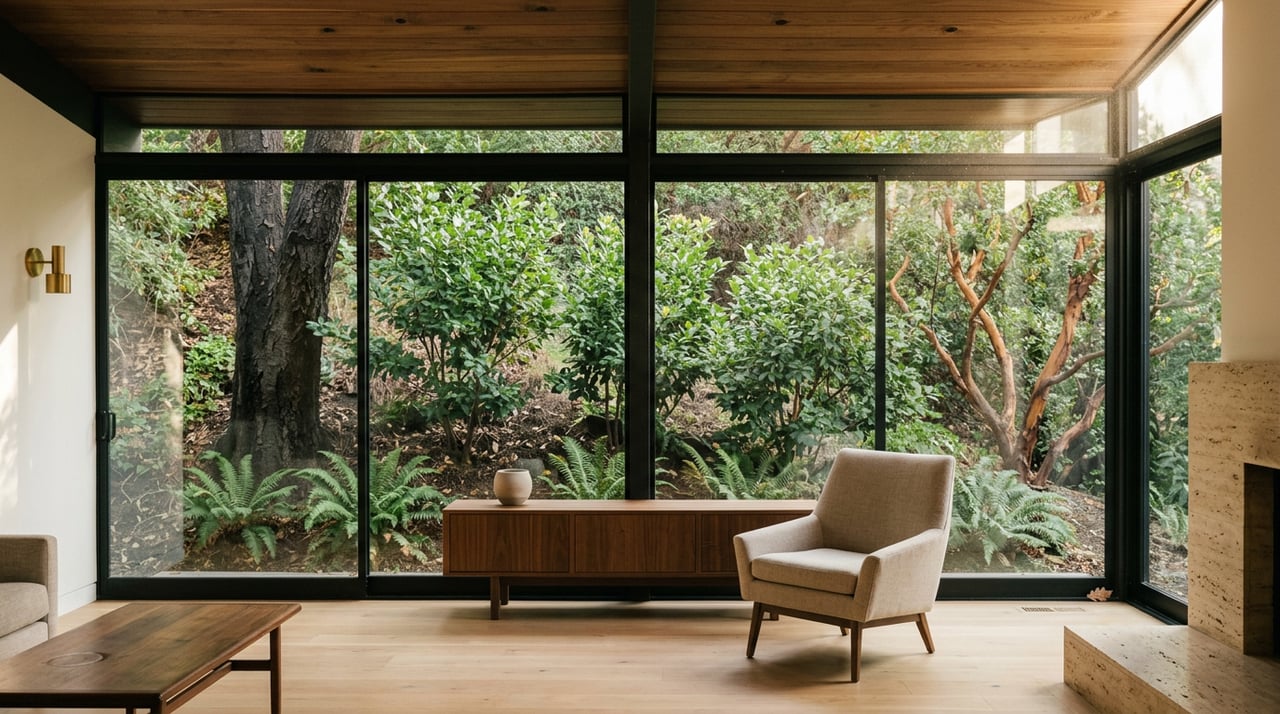
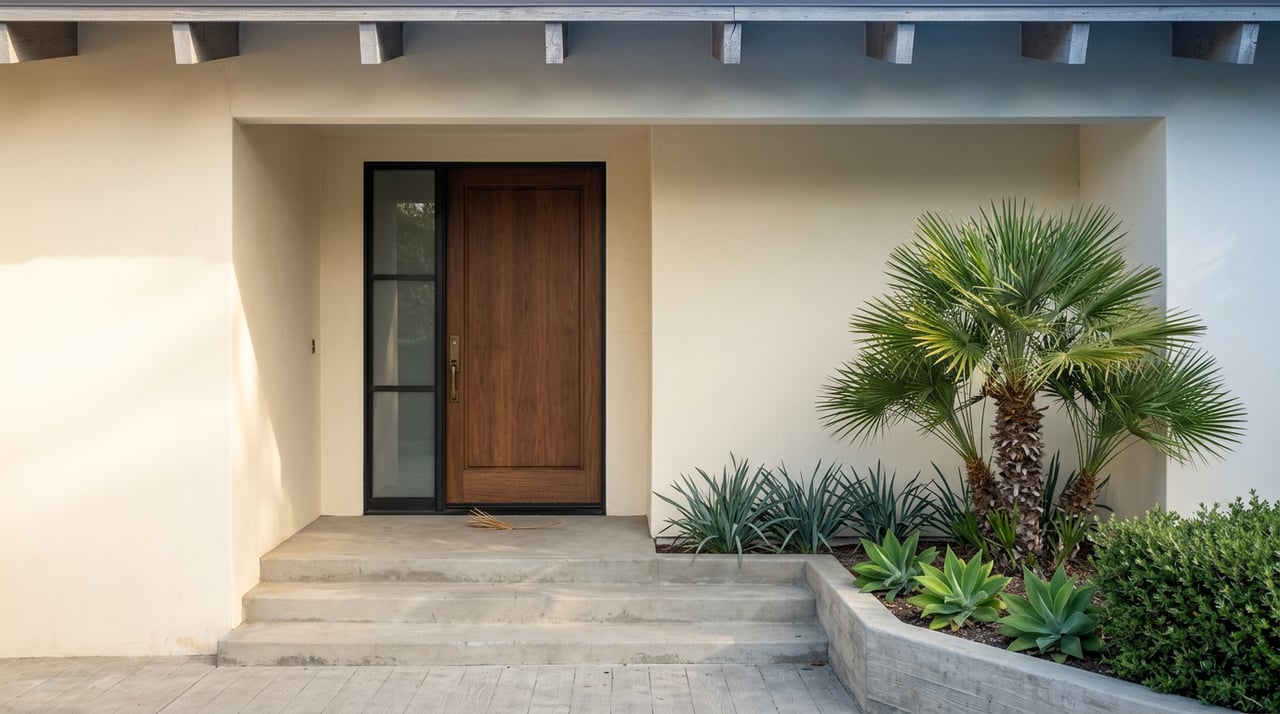
For anyone who has spent time looking at Los Feliz's own housing stock, this will sound familiar. The neighborhood's most talked-about homes tend to be the ones where someone took a 1920s Spanish duplex or a mid-century post-and-beam and gave it a new interior life rather than tearing it down for something taller. The commercial corridor and the park system are doing the exact same thing the housing stock has always done. Renovation isn't a compromise here. It's the operating model.
If you're the kind of resident who tracks what changes on your own block, that's the real story behind this year's crop of Los Feliz "openings." A cocktail bar, an adobe dating to the 1830s, and a 91-year-old observatory all made news in 2026 without adding a single new structure to the neighborhood. What they added was depth to buildings that were already doing the work of holding this place together.
That instinct, toward preserving what's already good rather than replacing it, is the same one that shapes how Joseph Kiralla thinks about the architecture across Los Feliz, Silver Lake, and the surrounding hills. If you're curious what that kind of thinking looks like applied to a specific address, or you just want an eye that knows the difference between a home that's been renovated with care and one that's been flipped for speed, reach out anytime.