Wondering whether a historic home in Pasadena is a dream purchase or a renovation headache? If you are drawn to original millwork, period details, and the kind of architecture that gives a home real character, Pasadena can be especially compelling. The key is knowing what makes these properties special, what rules may apply, and how to budget for ownership with clear eyes. Let’s dive in.
Why Pasadena Stands Out
Pasadena has one of the richest architectural legacies in Southern California. According to the City of Pasadena’s historic context statement, the city includes 47 designated landmarks, six historic districts, and more than 1,000 properties listed in the National Register of Historic Places.
That depth matters when you are home shopping. In Pasadena, you are not just looking at older houses. You are often looking at homes tied to distinct architectural eras, original design movements, and neighborhood patterns that still shape the city today.
What “Character Areas” Often Mean
When buyers talk about Pasadena’s character areas, they are usually referring to places where architecture, streetscape, and historic context are a big part of the appeal. Some homes may be individually designated, some may sit within a landmark district, and others may simply be older houses with architectural charm but no formal historic designation.
That distinction is important. The city notes that being included in a historic resources survey does not automatically create new regulations, but designated landmarks, landmark districts, National Register properties, and some evaluated properties can be subject to review for demolition or alterations.
Architectural Styles You May See
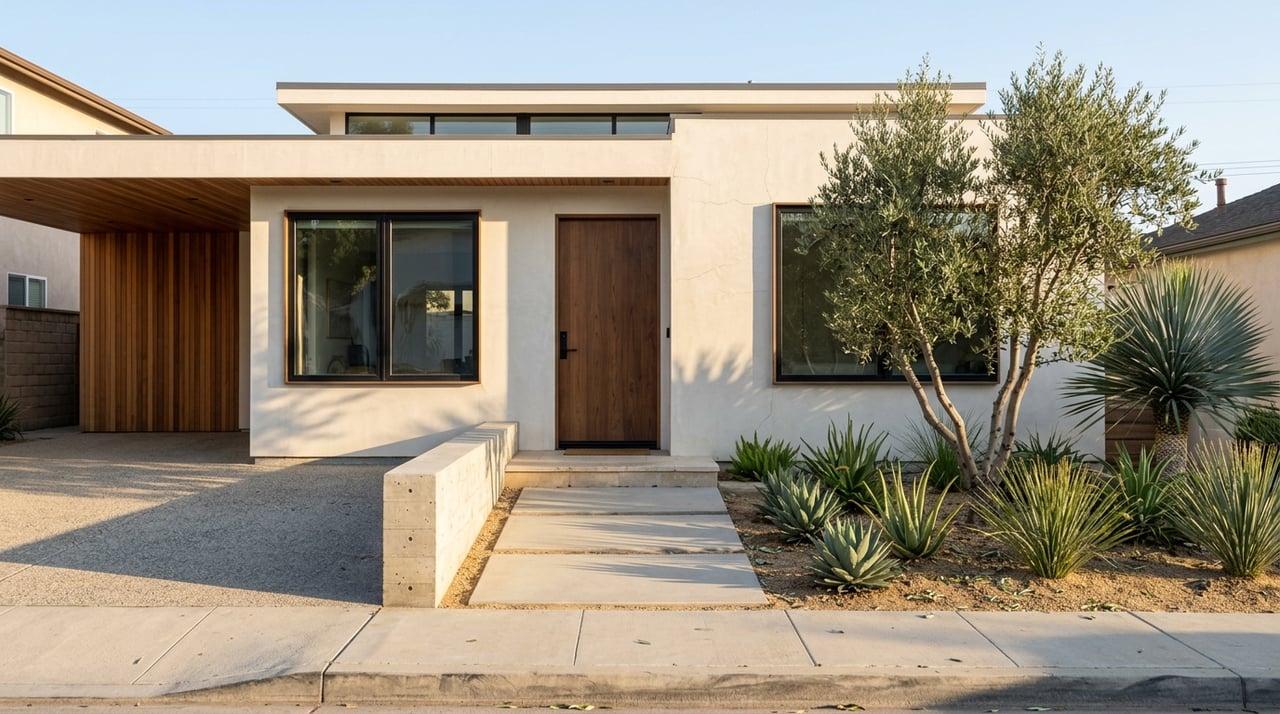
Pasadena offers a wide mix of residential architecture, and that variety is part of the appeal for design-minded buyers. The city organizes local residential history into major eras including Late Victorian, Arts & Crafts, Period Revival, Early Modernism, Post-World War II Modernism, and Late Modernism.
Late Victorian Homes
Late Victorian homes in Pasadena include Queen Anne, Folk Victorian, American Foursquare, and Shingle styles. The city places these homes mainly from the late 1880s through the 1920s.
If you are shopping in this category, you may notice more ornamental detailing, varied rooflines, and strong street presence. These homes often reward buyers who appreciate craftsmanship and are comfortable maintaining original features.
Arts & Crafts Homes
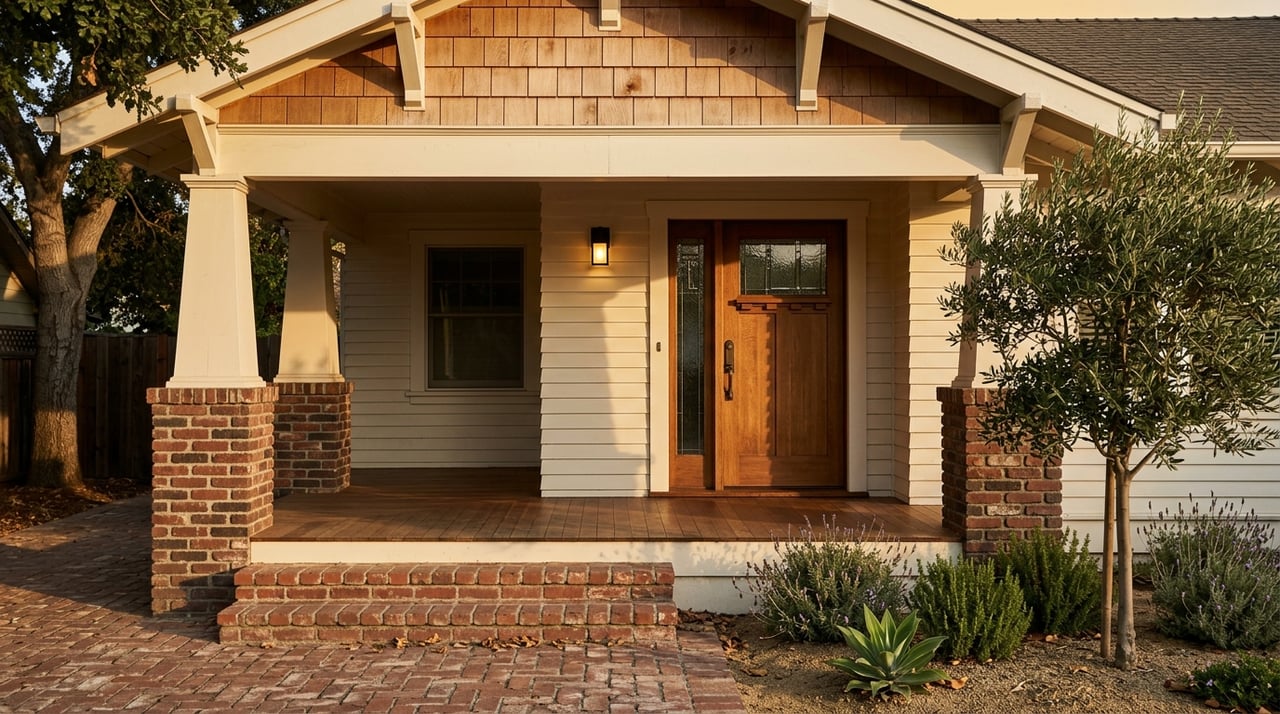
Pasadena is especially known for Arts & Crafts-era architecture. The city identifies Mission Revival, Prairie, Craftsman, and California Bungalow homes as part of this period, generally dating from about 1890 through 1930.
For many buyers, this is the sweet spot. These homes often combine warmth, material richness, and livable scale in a way that still feels current today.
Period Revival Homes
Period Revival styles in Pasadena include Tudor Revival, American Colonial Revival, Mediterranean Revival, Spanish Colonial Revival, Monterey Colonial Revival, French Revival, Georgian Revival, and Italian Renaissance Revival. The city’s date ranges for these styles span roughly the late 1890s through the 1950s.
If you want architectural variety, this category delivers. It also means each home should be evaluated on its own details, condition, and level of historic integrity rather than by style name alone.
Early Modern and Postwar Homes
Pasadena’s architectural story also includes Art Deco, International Style, Minimal Traditional, Ranch, Streamline Moderne, Mid-century Modern, Googie, and related late-modern forms. The city places these homes from roughly the 1920s through the 1970s.
For buyers focused on modernism, Pasadena offers more than just Craftsman and Revival homes. You can also find properties that reflect changing ideas about indoor-outdoor living, simplified forms, and postwar residential design.
Historic Status Changes the Buying Equation
Not every older home will come with the same rules. Before you make an offer, it helps to confirm whether the property is individually designated, located in a landmark district, listed in the National Register, or identified in another way through city evaluation.
Within a district, the city says a building is considered contributing when it retains a majority of its original architectural features and helps define the district’s significance. That can affect how future changes are reviewed, especially for exterior work visible from the street.
Renovation Rules to Know Before You Buy
If a home is in a landmark district, certain projects may need city review before permits can be issued. According to Pasadena’s historic preservation incentives page, demolition, exterior alterations visible from the street, and new construction require a Certificate of Appropriateness.
The city says common reviewed items include:
- Replacement windows
- Reconstructed front porches
- Additions
- Fences
- New garages
That does not mean every project becomes difficult. Pasadena also says interior alterations, paint colors, landscaping, solar panels, routine maintenance, and mechanical upgrades that are not visible from the street are exempt from review.
Timing Matters for Remodel Plans
If you hope to renovate soon after closing, build extra time into your schedule. Pasadena says typical review timing is about 6 to 8 weeks for Historic Preservation Commission review and 4 to 6 weeks for staff review.
There is another timing issue buyers should understand. For properties more than 45 years old, a major project can trigger a Historic Resource Evaluation to determine whether the property is eligible for individual historic designation. If you are planning a major change, that possibility is worth understanding early in escrow.
What Ownership Really Feels Like
Historic homes often ask for a different ownership mindset. The goal is usually not to replace everything with new materials. It is to maintain what gives the house its architectural value while making smart updates where appropriate.
Pasadena’s local guidelines are based on the Secretary of the Interior’s Standards for Rehabilitation. In practical terms, that usually supports repair over replacement when possible and encourages work that respects the home’s original design.
Maintenance Priorities to Budget For
The biggest practical issue in many historic homes is moisture control. The National Park Service guidance on wet buildings warns that historic houses can be drafty and vulnerable to water entry around mortar joints, windows, and doors.
That is why routine maintenance matters so much. Buyers should pay close attention to:
- Roof condition
- Gutters and downspouts
- Flashing
- Drainage around the house
- Siding and exterior materials
- Vegetation close to the structure
Water intrusion can accelerate damage to wood, plaster, paint, and structural members. In many cases, staying ahead of small issues is what protects both the home and your budget.
Why Windows and Materials Matter
Historic windows are a common concern for buyers. According to the National Park Service rehabilitation standards, deteriorated historic features should be repaired rather than replaced when possible, and if replacement is necessary, new work should match the old in design, color, texture, and other visual qualities.
This is one reason historic ownership can cost more than owning a newer home. Even straightforward work may require specialized trades, appropriate materials, or preservation-minded repair methods.
Health and Safety Issues in Older Homes
If you are buying an older Pasadena home, inspections should account for age-related risks as well as charm. The EPA says homes built before 1978 are more likely to contain lead-based paint, and renovation or repair work can create hazardous dust if lead-safe practices are not used.
The EPA also advises that if you plan to disturb a material that may contain asbestos, it should be sampled by a properly trained and accredited asbestos professional rather than judged by appearance alone. These issues do not make an older home a bad purchase, but they should be factored into your due diligence and renovation budget.
Incentives That May Help
For the right property, historic designation may come with meaningful tax benefits. Pasadena’s Mills Act Historic Property Contract Program allows qualifying owners to reduce property taxes in exchange for maintaining the property’s historic character according to established standards.
The city says past Mills Act participants have saved between 20% and 75% on property taxes, with average savings of about 50%. The California Office of Historic Preservation also notes that Mills Act contracts transfer to new owners when a property is sold and renew annually.
There may also be a California State Historic Rehabilitation Tax Credit available for some owner-occupied residential projects, but eligibility depends on factors such as listing status, project costs, principal residence use, and available funding. By contrast, the federal 20% historic preservation tax credit applies only to income-producing properties, not private owner-occupied homes.
How to Decide if It Is the Right Fit
A historic home in Pasadena can be a great fit if you value original materials, architectural provenance, and thoughtful stewardship. It is often less ideal if your plan is a fast, full-scale exterior transformation without preservation review or detail-sensitive construction.
Before you move forward, try to confirm four things:
- Whether the home is designated or surveyed
- Whether it is in a landmark district
- Whether it is contributing or non-contributing
- Whether a Mills Act contract already applies
That clarity can shape your renovation options, your timeline, and your long-term carrying costs.
If you are considering a historic or architecturally significant home in Pasadena, working with an advisor who understands design integrity and due diligence can make the process far smoother. For tailored guidance on buying character-rich homes across Pasadena and greater Los Angeles, connect with Joseph Kiralla.
FAQs
What should buyers know about historic home rules in Pasadena?
- In Pasadena, rules depend on whether a home is individually designated, located in a landmark district, listed in the National Register, or otherwise evaluated, and some exterior changes may require review before permits are issued.
What home updates usually need review in Pasadena landmark districts?
- Pasadena says demolition, exterior alterations visible from the street, and new construction require a Certificate of Appropriateness, and commonly reviewed items include windows, porches, additions, fences, and garages.
What home projects are usually exempt from Pasadena historic review?
- The city says interior alterations, paint colors, landscaping, solar panels, routine maintenance, and mechanical upgrades not visible from the street are exempt from review.
What maintenance issues matter most in Pasadena historic homes?
- Moisture control is a top priority, so buyers should closely evaluate roofs, gutters, flashing, drainage, exterior materials, and areas where water may enter around windows, doors, or masonry.
What tax benefits may apply to a designated historic home in Pasadena?
- Qualifying owners may benefit from Pasadena’s Mills Act program, which the city says has produced property tax savings ranging from 20% to 75% for past participants, with average savings around 50%.
What should buyers check before making an offer on a historic Pasadena home?
- Buyers should confirm the property’s designation status, district location, contributing status, and whether any Mills Act contract is already in place before moving forward.